Recovery protocol

The biohacker starter stack: how to begin with cold plunge, sauna, red light, and compression

The recovery modality world has a complexity problem: dozens of tools, each with its own protocols, frequencies, and ordering advice. If you're starting from scratch, this is the simplest coherent stack — four modalities that work together, with clear guidance on sequencing and pacing.

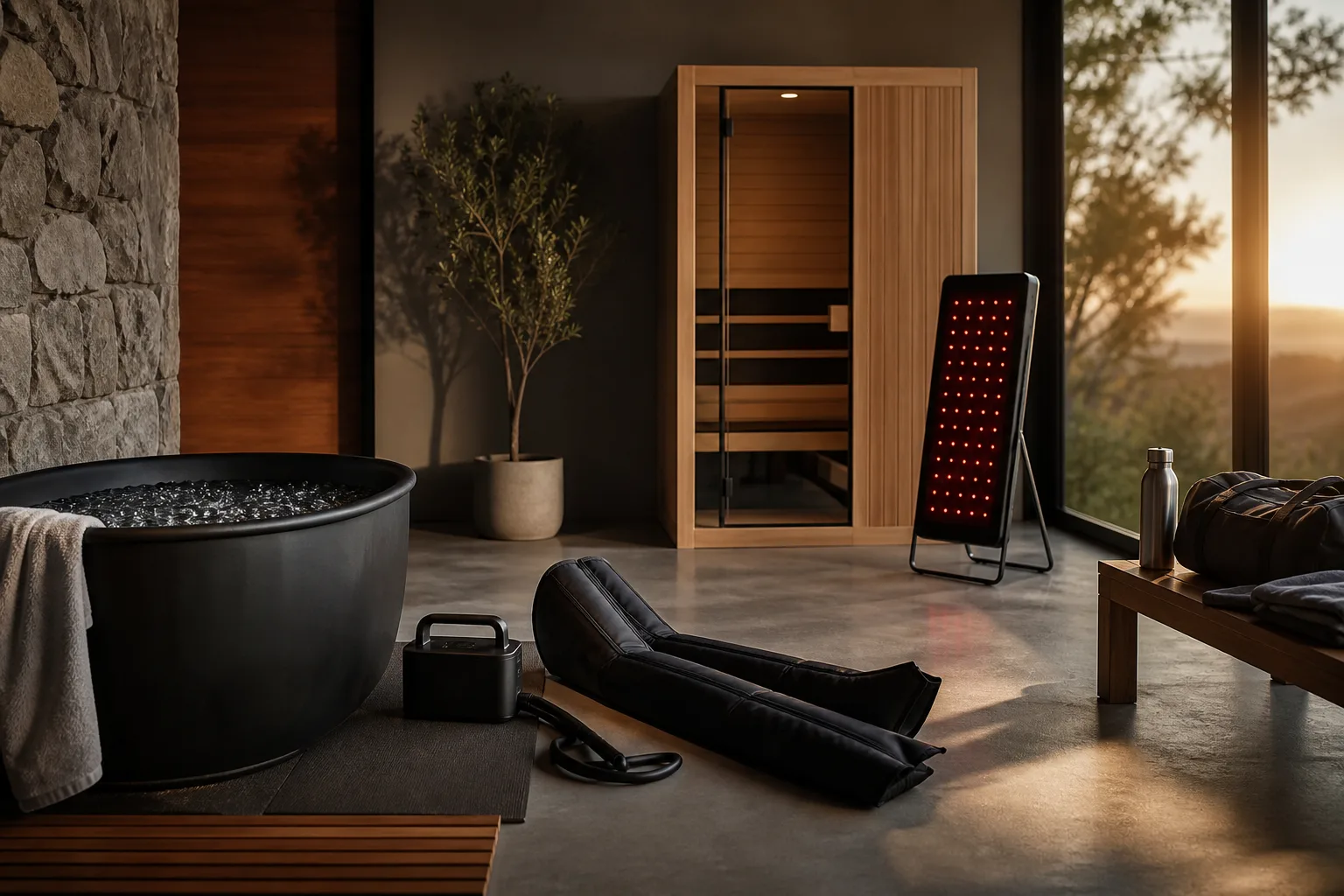
Cold plungeCompression therapyInfrared saunaPEMFRed light therapy

The protocol, step by step

  1. 01

    Weeks 1–2: start with just one modality

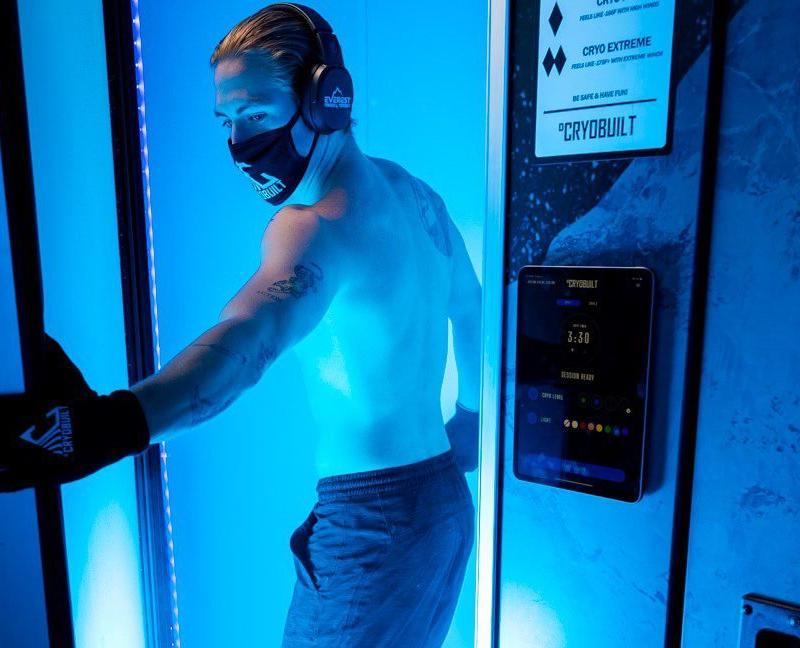
    Pick cold plunge or infrared sauna — whichever appeals more. Cold plunge: 3–5 minutes at 50–59°F, 3x/week. Infrared sauna: 20 minutes at 130–150°F, 3x/week. Don't stack modalities until you have a baseline for how each alone affects your sleep, soreness, and energy. Stacking without a baseline makes it impossible to know what's working.

  2. 02

    Weeks 3–4: add the second thermal modality

    Once comfortable with one thermal modality, add the other. Try them on the same day (sauna then cold) or on alternate days. A 15–20 min sauna followed by a 3–5 min cold plunge is a complete contrast session. Alternatively, use sauna on training days and cold plunge on rest days depending on your goal.

  3. 03

    Month 2: add red light therapy

    Red light is the easiest modality to add — it requires no thermal preparation, is safe daily, and can be done before or after other sessions. A 10–20 minute session over a problem area (joints, muscles) or full-body is a good starting point. Use it consistently for at least 4 weeks before evaluating results — skin-level effects appear faster than musculoskeletal changes.

  4. 04

    Month 3 and beyond: add compression and evaluate PEMF

    Pneumatic compression boots are a practical add-on after leg-heavy training days or long travel. 20–30 minutes after your workout or at the end of the day. PEMF can be evaluated as an advanced addition if you're experiencing chronic soreness, persistent sleep issues, or systemic inflammation that the core stack hasn't resolved. It's a reasonable Month 3 addition for those who want to go deeper.

The most common beginner mistakes

Stacking too fast. Adding multiple new modalities at once makes it impossible to attribute outcomes and easy to burn out on the routine. One modality at a time for at least 2 weeks is the right pacing.

Ignoring frequency. Most modality benefits are dose-dependent over time — doing sauna once a month produces different outcomes than 3–4 times per week. Consistency over weeks and months is the actual protocol. Frequency compounds.

Forgetting hydration. Sauna drives significant fluid and electrolyte loss. Entering dehydrated, or failing to rehydrate afterward, reduces the benefit and increases fatigue. Drink before, sip during, hydrate after — especially on days combining sauna with cold plunge.

A starter weekly template

  • Monday: cold plunge (5 min) + red light therapy (15 min).
  • Wednesday: infrared sauna (20 min) + cold plunge (3 min) as a contrast session.
  • Friday: infrared sauna (20 min) + red light therapy (15 min).
  • Weekend: compression boots (30 min) on your active recovery day.
  • Note: none of these require daily use in your first months — consistent 3–4x/week beats daily intensity when you're building the habit.

Goal-based recovery sequencing, not medical advice — check contraindications with a professional before starting any modality.

Frequently asked questions

Is it better to cold plunge before or after infrared sauna?

After. The traditional contrast order is heat then cold — sauna vasodilates blood vessels and raises core temperature; cold plunge then drives vasoconstriction and a catecholamine response that closes the session. Doing cold before sauna reverses the stimulus and loses most of the contrast benefit. If you're doing each on separate days, order doesn't apply.

In what order do I use sauna, cold plunge, and red light therapy?

A natural three-modality sequence: red light therapy first (10–20 min — it warms tissues gently without significantly raising core temperature), then sauna (full heat exposure), then cold plunge (contrast closure). Alternatively, red light after the full session on a separate body region works fine. The main rule: don't insert red light between contrast rounds — keep it outside the heat/cold cycle.

Can I do sauna and cold plunge on the same day as a beginner?

Yes. Back-to-back sauna-then-cold is a standard contrast session and safe for most healthy adults. Start conservatively: 10–15 min sauna, 2–3 min cold plunge, and build up over weeks. Drink water before you start. If you feel dizzy or unwell transitioning between temperatures, slow down and shorten the sessions — it means the thermal stimulus is more than your current tolerance.

Build this protocol into your routine

Take the Protocol Match and get a personalized version with local studios that offer each modality.