Loading…
Recovery protocol
The morning routine protocol — sequencing cold, light, and heat to start the day
Morning is the single best time of day for cold exposure, and the worst time for the wind-down modalities. A well-built morning routine works with your natural cortisol rise instead of against it. Here's how to sequence cold plunge, light, and heat in the first hour after waking.
The visit
Run it as a studio visit
Arrival to departure — every duration is a range plus the rule that moves you within it, never a fixed clock.
Visit envelope · every stop taken
34–47 min
Skipping the optional stops finishes sooner.
Cadence
2–4 mornings a week anchors most members; daily works once cold tolerance is established. Save the sauna add-on for time-rich mornings; the short standalone version is the one that survives a busy week.
Member checklist
Before your visit
- Come in within the first hour or two after waking — this visit is built around the natural morning cortisol rise, not against it.
- Get a few minutes of outdoor daylight on the way in if you can; the panel is an addition, not a substitute for real morning light.
- Hold your coffee until after the plunge; cold already lifts alertness, and many members find they want less caffeine on plunge mornings.
- Walk or cycle in if it's practical: a little easy movement beforehand warms the body and makes the plunge noticeably more tolerable. Bring swimwear and a towel.
Member checklist
After your visit
- Have your coffee now if you want it — after the plunge rather than before spaces the two stimuli.
- Dress warm and keep moving until any shivering settles; let it pass fully before you drive.
- Many members find the alertness carries well into the morning. Put your hardest work in that window and see how it lands for you.
- No heat after the cold close — the visit ends on cold on purpose. Tell us next time how the morning went so we can tune your plunge time.
Station by station
Red light + warm-up
10–15 minWhere you land in the range
10 minutes as the default morning session; toward 15 when the schedule allows, within the panel's own guidance. This stop doubles as the warm-up before cold — and it supplements outdoor daylight rather than replacing it.
- Wavelength
- Red ≈ 630–680 nm; near-infrared ≈ 800–850 nm
Settings basis: published commercial practice
Operator · staff-facing
Staff cue
Eye covering on, panel distance per the device card. Suggest a couple of minutes of easy movement (shoulder rolls, a short walk) before the plunge; going in warm makes the cold far more manageable.
Screen for — route away if
- photosensitising medication (some antibiotics, retinoids, St John's wort)
- an active skin condition currently flaring in the area under the panel
- recent laser or cosmetic skin procedure in the area under the panel
~3 min changeover to the next station
Short morning sauna
10–15 minOptional — skip if busyWhere you land in the range
10 minutes if heat is new or the morning is tight; toward 15 with established heat tolerance. Deliberately shorter than an evening sit — the cold close is the point of this visit, and a long heat soak works against it.
- Temp
- 120–150 °F
Settings basis: published commercial practice
Operator · staff-facing
Staff cue
Water bottle goes in with them. Frame it at the door: this is the short round before the cold finish, not the long evening sit. When the timer's done, it's done. Light-headed means out now, seated, water.
Screen for — route away if
- pregnancy
- uncontrolled high blood pressure
- cardiac history or arrhythmia
- alcohol today
- medication that impairs sweating or heat tolerance
- recent surgery not yet cleared for heat
~4 min changeover to the next station
Cold plunge finish
2–5 minWhere you land in the range
2 minutes for a first visit or anyone new to cold — that's a win, not a short session. Move toward 5 as tolerance builds across visits, not within one. The visit always ends here: cold last is what this morning is for.
- Temp
- 45–59 °F
Settings basis: published commercial practice
Operator · staff-facing
Staff cue
First plunge? Tell them two minutes is a win and getting out early is always the right call. Nobody plunges alone — stay close. Shivering hard, numb hands, or clumsy movement means time to get out. No sauna after this one; the cold is the close.
Screen for — route away if
- uncontrolled high blood pressure
- cardiac history or arrhythmia
- Raynaud's or cold urticaria
- pregnancy
- open wounds
~5 min to change and head out
Operator · running this on the floor
Stations at peak
1
running concurrently
When a member asks what this is
“It's our morning starter: some red light while you wake up, an optional short heat round, and a cold finish that leaves you switched on for the day. Most people are in and out inside 45 minutes.”
This visit is a template a studio reviews and adapts — ranges, order, and screening flex to the equipment and staff on the floor. It is goal-based recovery guidance, not medical advice.
The sequence
The protocol, step by step
First 30–60 min awake
Get light, then move
Morning light exposure anchors your circadian clock and supports the natural cortisol peak that happens shortly after waking. If you're using a red light panel, a 10–15 minute session pairs well here, though it doesn't replace outdoor daylight for circadian timing. Gentle movement before any cold exposure warms the body and makes the plunge more tolerable.
Cold plunge (2–5 min at 50–59°F / 10–15°C)
The morning anchor
Cold exposure drives a sustained rise in norepinephrine and dopamine that supports alertness and mood for hours: exactly what you want in the morning, and exactly what you don't want at night. A short morning plunge is the most circadian-friendly time to use cold. End on cold here; you're going for the energizing effect.
Time caffeine around, not before, the plunge
Cold already elevates alertness through catecholamine release, so many people find they need less coffee on plunge mornings. If you drink caffeine, having it after the plunge rather than before avoids stacking two large sympathetic stimuli at once. This is a comfort and tolerance preference, not a safety rule.
Optional: short sauna or contrast for a fuller reset
If you have time and a studio with both, a brief contrast sequence (sauna 10–15 min, then a cold plunge to finish) delivers circulation benefits plus the energizing cold close. For a morning routine, always end on cold, not heat: heat-last promotes the parasympathetic wind-down you want at night, not at 7am.
The nuance
Why cold belongs in the morning and not the evening
Cortisol naturally peaks in the first 30–45 minutes after waking (the cortisol awakening response), and then declines through the day. Cold exposure amplifies catecholamine and cortisol signaling, so a morning plunge rides the natural rhythm rather than fighting it. The same plunge at night re-activates the sympathetic nervous system right when you want parasympathetic tone for sleep onset, which is why cold is the classic morning modality and the classic evening mistake.
Red and near-infrared light is the flexible exception: it doesn't carry the short-wavelength blue light that suppresses melatonin, so it can run morning or evening. In a morning routine it's a low-stress addition; it is not a substitute for getting actual outdoor daylight, which is the strongest circadian signal available and free.
Take-home · weekly template
A simple 30–45 minute morning template
- 0–10 min: outdoor light or red light panel (15 min) plus light movement to warm up.
- 10–15 min: cold plunge, 2–5 min at 50–59°F, ending on cold for the alertness lift.
- 15–20 min: towel off, hydrate, optional caffeine after the plunge rather than before.
- Time-rich mornings: swap the standalone plunge for a sauna-then-cold contrast finish, still ending on cold.
Goal-based recovery sequencing, not medical advice — check contraindications with a professional before starting any modality.
Where to run it
Where to find these modalities
Studios offering the modalities in this sequence — check each menu for the full stack.
2328
studios with these modalities
DOC's
Wall, NJ
5.0· 1 Google review
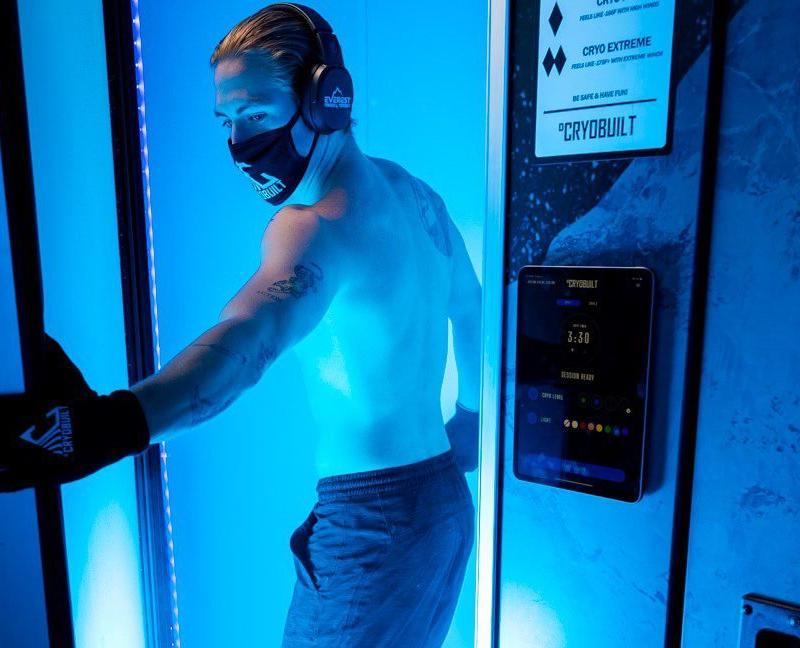
DOC's is a Wall, NJ recovery facility offering innovative holistic therapies for athletic performance and life extension — whole-body cryotherapy, hyperbaric oxygen, Normatec compression, Sunlighten infrared sauna, and Theralight red light.
CryotherapyHyperbaric oxygenCompression therapyInfrared sauna+1
01
Next Health
West Hollywood, CA
5.0· 2291 Google reviews
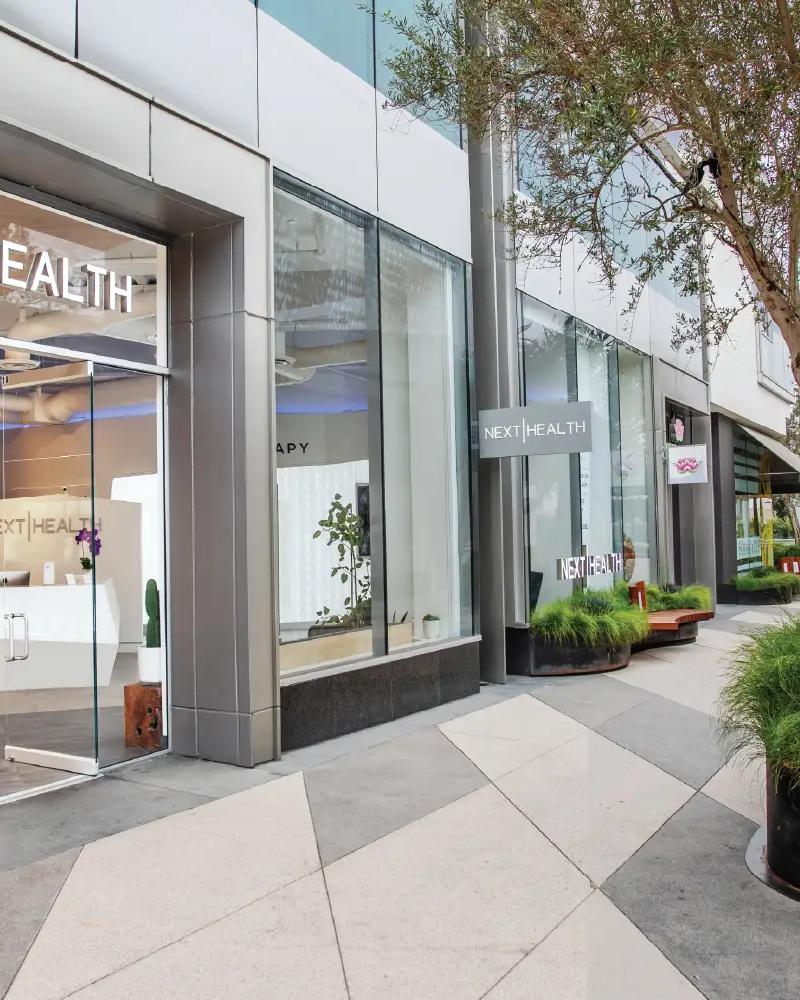
Next Health is a health and wellness center at The Sunset on Sunset Boulevard in West Hollywood.
IV & hydrationIV Hydration / Vitamin (Myers-type) TherapyCryotherapyHyperbaric oxygen+3
02
Next Health West Hollywood
Sunset Strip · West Hollywood, CA
5.0· 2250 Google reviews
West Hollywood wellness center for NAD+, IV drips, hormone therapy, infrared therapy, hyperbaric oxygen, EBOO ozone & plasma exchange on the Sunset Strip.
CryotherapyHyperbaric oxygenInfrared saunaRed light therapy+1

03
Next Health
Century City · Los Angeles, CA
5.0· 1493 Google reviews
Wellness center in Century City with IV drips, NAD+ infusions, hormone optimization, hyperbaric oxygen, infrared therapy, EBOO ozone & plasma exchange.
CryotherapyIV & hydrationHyperbaric oxygenRed light therapy
04
Next Health Studio City
Studio City Los Angeles, CA
5.0· 1432 Google reviews
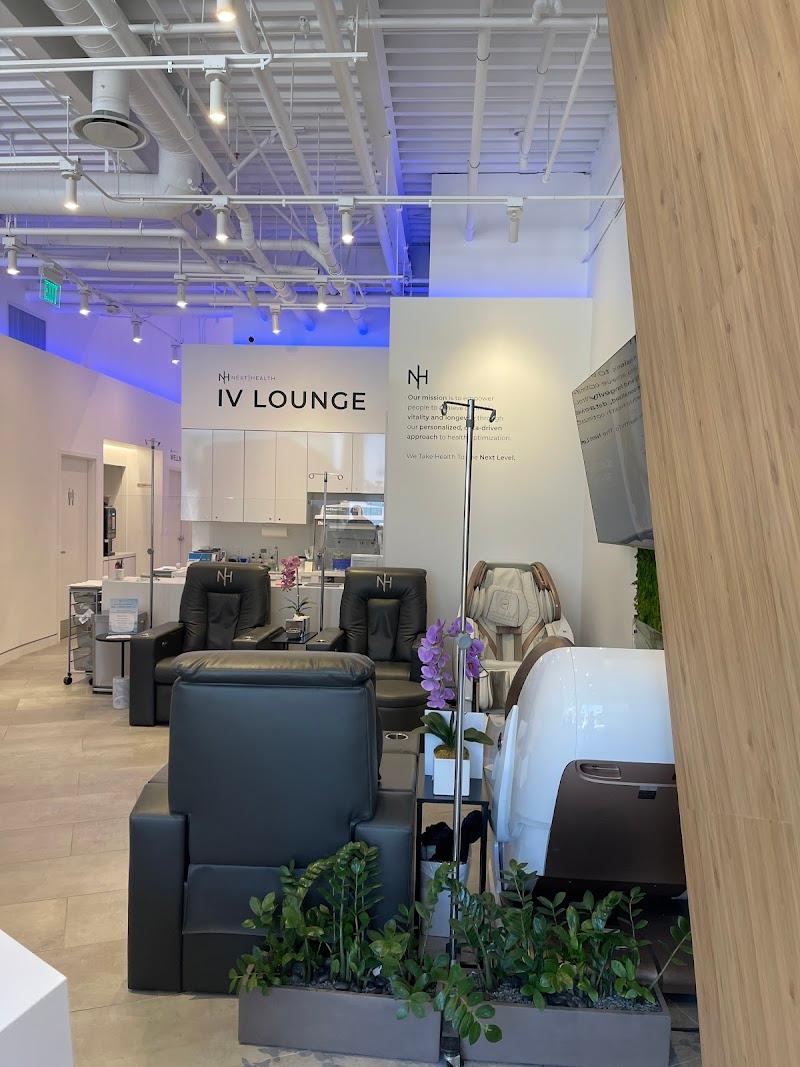
Next Health identifies its Studio City location as a health and wellness center at The Shops at Sportsmen's Lodge.
CryotherapyHyperbaric oxygenIV & hydrationNAD+ IV Infusion+2
Questions
Frequently asked questions
Is it better to cold plunge in the morning or at night?
Morning, for most goals. Cold drives a lasting rise in norepinephrine and dopamine that supports alertness and mood: ideal first thing, counterproductive before bed where it delays the parasympathetic wind-down needed for sleep onset. Reserve cold for the morning or early afternoon, and use heat-based modalities in the evening.
Should I cold plunge before or after coffee?
Either works; many people prefer after. Cold already elevates alertness through catecholamine release, so stacking caffeine on top beforehand can feel like too much at once. Having coffee after the plunge spaces the two stimuli. This is a tolerance and comfort preference, not a safety requirement.
Can I do sauna in my morning routine too?
Yes, a short sauna-then-cold contrast sequence is a strong morning reset, as long as you finish on cold. Ending on heat promotes a relaxed, parasympathetic state that suits the evening, not the morning. Keep morning sauna sessions shorter than evening ones and follow with a cold plunge to close energized.
For studio operators
Run a studio that offers cold plunge?
Keep exploring around this protocol
Modalities in this protocol
Related reading
The beginner's guide to recovery modalities: what each one does and where to start →Contrast therapy: how to alternate hot and cold, and why the order matters →How to choose a recovery studio: the checklist that actually matters →How often should you cold plunge? Dose, duration, and when more backfires →
Other protocols
The post-workout recovery protocol →The sleep optimization protocol →The longevity stack →The contrast therapy protocol →The athlete recovery protocol →The biohacker starter stack →Post-surgery recovery →The inflammation protocol →The jet lag recovery protocol →The desk worker recovery protocol →The immune support protocol →The stress and burnout protocol →
Build this protocol into your routine
Take the Protocol Match and get a personalized version with local studios that offer each modality.