Recovery protocol

The longevity stack: a practical protocol for long-term health and recovery

Longevity-focused researchers and practitioners have converged on a core insight: repeated cardiovascular stress followed by structured recovery — applied consistently over years — is one of the most accessible stimuli for long-term health adaptation. Here's how to build a practical studio-based version of that stack.

Cold plungeHyperbaric oxygenInfrared saunaPEMFRed light therapy

The protocol, step by step

  1. 01

    Foundation: regular sauna (3–5 sessions per week)

    Consistent sauna use — not occasional — is what appears to drive meaningful cardiovascular and heat-shock protein responses. A temperature range of 150–185°F (65–85°C), sessions of 15–25 minutes, repeated regularly over months and years. Frequency appears to matter at least as much as individual session length.

  2. 02

    Layer 1: cold exposure (2–4 sessions per week)

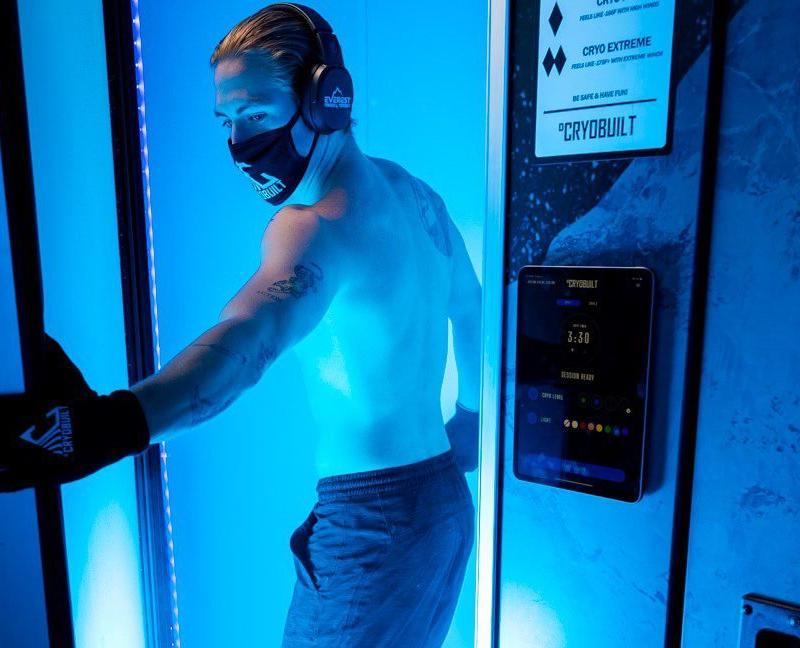
    Cold plunge or cryotherapy as a complement — not a replacement — to heat. Cold drives catecholamine release (norepinephrine, dopamine) and stimulates metabolic pathways. 2–4 minutes at 50–59°F (10–15°C) is a commonly used range in protocols designed for long-term adaptation rather than just acute recovery.

  3. 03

    Layer 2: red light therapy (daily or 5x per week)

    Red and near-infrared light (660nm and 850nm are the most studied wavelengths) supports mitochondrial function and can be used daily at moderate doses of 10–20 minutes. In a longevity context, it's a low-stress, high-frequency modality that supports cellular energy production without imposing the physiological load that heat and cold sessions do.

  4. 04

    Advanced layer: HBOT or PEMF (1–2x per week if accessible)

    Hyperbaric oxygen and PEMF sit at the premium tier of a longevity stack. HBOT at appropriate atmospheres increases oxygen delivery to tissues and has been studied in the context of cellular health. PEMF stimulates cellular signaling pathways at low intensity. Both are best integrated periodically — they work well on days when you're not doing intense thermal sessions.

What longevity practitioners broadly agree on — and where honesty matters

Researchers and practitioners in the longevity and performance medicine space have emphasized heat exposure at meaningful temperatures, repeated over years, as associated with cardiovascular health markers. Cold exposure appears to activate metabolic and neuroendocrine pathways relevant to energy regulation. And recovery modalities that support sleep quality — sauna in particular — may produce downstream longevity benefits through sleep-driven cellular repair. These patterns are consistent across many practitioners' public recommendations without universal agreement on precise dosing.

Red light, PEMF, and HBOT have emerging research bodies but less longitudinal evidence than sauna and cold exposure. They're reasonable additions to a well-funded stack but not substitutes for the thermal foundation. The honest framing: the protocol you'll actually maintain — sauna three times a week for a decade — is worth more than the theoretically optimal protocol you do twice.

A realistic weekly longevity template

  • Monday / Wednesday / Friday: infrared sauna (20 min) + red light therapy (15 min) in the same session.
  • Tuesday / Thursday: cold plunge (3–5 min) or cryotherapy, plus PEMF on lower-intensity days.
  • Saturday: contrast therapy (sauna + cold, 2–3 rounds) as the week's longer combined session.
  • Sunday: rest or float therapy for nervous-system recovery.
  • Integrate HBOT 1–2x/week if accessible — good on days without a full thermal session.

Goal-based recovery sequencing, not medical advice — check contraindications with a professional before starting any modality.

Frequently asked questions

How long until I see longevity benefits from regular sauna?

Short-term markers — improved HRV, better sleep, reduced muscle soreness — often appear within weeks of regular sessions. The longer-arc cardiovascular and healthspan effects that longevity researchers discuss take consistent use over months and years. The sauna habit itself is the investment. Occasional use produces occasional benefits; the compounding happens with frequency.

What does a longevity-focused recovery protocol look like?

The most common practitioner-recommended stacks share a few features: frequent heat exposure (sauna 3–5x/week), regular cold contrast, prioritized sleep, and complementary modalities like red light or PEMF layered in. Exact temperatures, durations, and frequencies vary by individual and practitioner. Start with sauna and cold plunge as the core; add red light for mitochondrial support; consider HBOT or PEMF as accessible advanced additions.

Can I do sauna and cold plunge every day for longevity?

Many people structured around longevity goals do this regularly. The combined sauna-then-cold session typically takes 30–60 minutes and is sustainable daily for most healthy adults. Listen to your body: if recovery feels worse over time, reduce frequency. Consistent and moderate beats occasional and extreme — daily sessions at moderate intensity will outperform weekly heroic sessions over a multi-year horizon.

Build this protocol into your routine

Take the Protocol Match and get a personalized version with local studios that offer each modality.