Recovery protocol
The inflammation protocol: cold, red light, and PEMF for acute and chronic inflammation
Inflammation is not one thing. Acute post-workout soreness, chronic systemic inflammation, and localized joint inflammation each respond differently to recovery modalities. The right protocol matches the type of inflammation to the right modality at the right time. Here's how to think about it.
The protocol, step by step
- 01
Acute inflammation (within 24–48 hours): cold as first-line
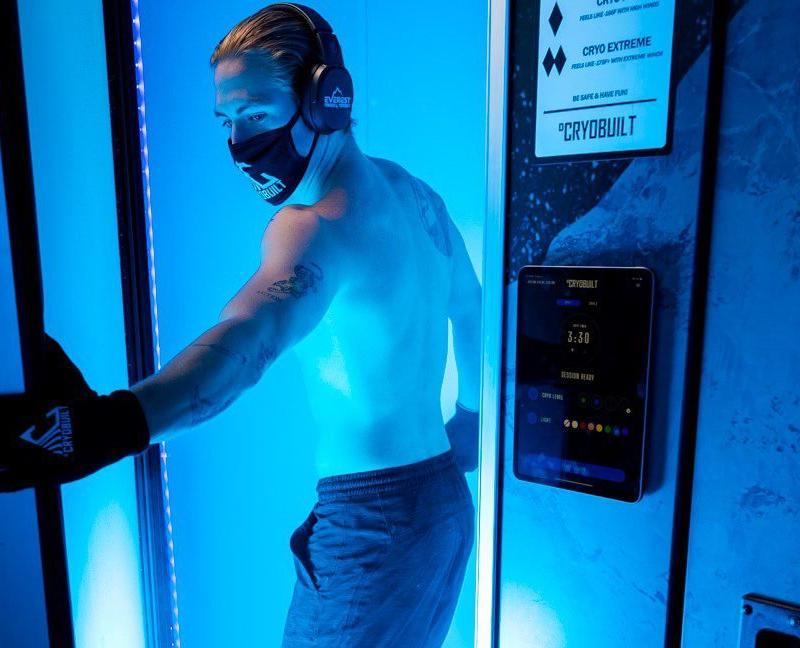
Cold plunge or cryotherapy is the most direct tool for acute inflammation — it drives vasoconstriction, reduces local inflammatory mediator concentration, and is fast-acting. For post-workout soreness, DOMS, or minor acute injury (with medical clearance), 5–10 minutes at 50–59°F or a 2–3 minute cryotherapy session applied within the first day produces the clearest effect.
- 02
Subacute and chronic inflammation (days to weeks): red light therapy
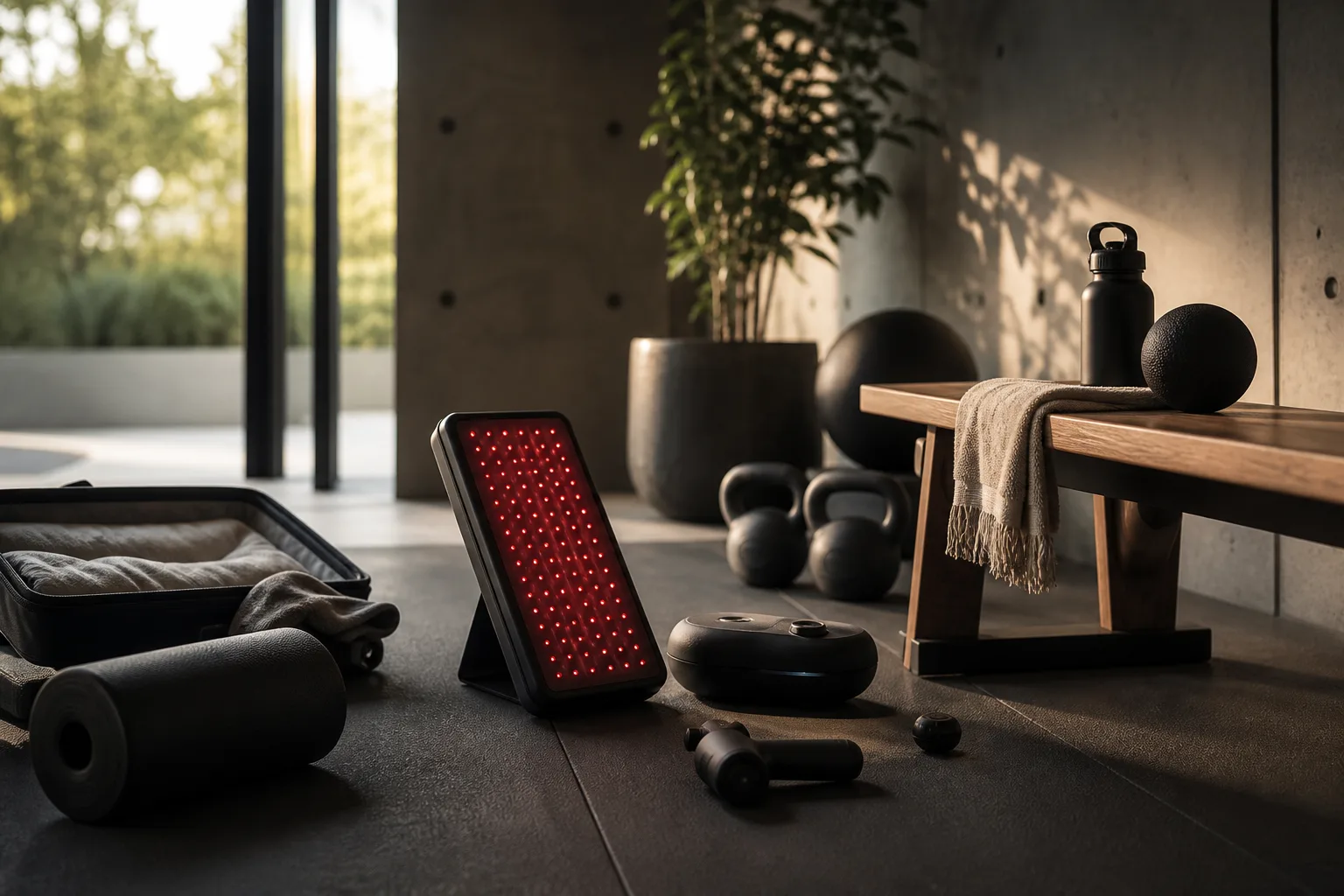
Red and near-infrared light (660nm and 850nm are the most studied wavelengths) supports cellular energy production and modulates inflammatory signaling pathways at the cellular level. Unlike cold — which is primarily a vasoconstriction and numbing effect — red light is appropriate for chronic and systemic inflammation where you want to support resolution, not simply suppress an acute response. 10–20 minutes over the affected area, 3–5x/week, for at least 4–6 weeks before evaluating results.
- 03
Persistent systemic inflammation: PEMF as an adjunct
PEMF operates at extremely low intensity — it is not thermal and doesn't produce a perceptible physical sensation. Its proposed mechanism involves cellular signaling at the ion channel level, which may influence inflammatory cascades over repeated sessions. It's best considered for persistent, systemic inflammation where the core modalities haven't fully resolved the issue. Typically 30–60 minute sessions, 3–5x/week, over several weeks.
- 04
Long-term: consistent sauna as systemic anti-inflammatory support
Sauna use has been associated with systemic reductions in inflammatory markers over consistent, frequent long-term use. This is a legitimate reason to include it in a long-term inflammation protocol even though it isn't a first-line acute tool. Think of regular sauna as the background layer — it complements, rather than replaces, the modality-specific interventions above.
Cold vs. red light: different mechanisms for different inflammation phases
Cold plunge works through vasoconstriction and local neural effects — it's fast, physically mechanical, and best matched to acute inflammation where reducing immediate swelling and pain is the goal. Red light therapy works by supporting mitochondrial function and modulating cellular signaling — it's slower-acting, best used consistently over weeks, and more appropriate for chronic or systemic inflammation rather than acute events.
These aren't competing approaches — they address different phases of the inflammatory process. Cold for the first 24–48 hours of acute inflammation; red light for the subacute and chronic resolution phase that follows. For athletes managing recurrent inflammation across a training season, using both at their appropriate timing produces a more complete protocol than relying on either alone.
A realistic weekly inflammation protocol
- Day 1 of acute soreness or injury: cold plunge or cryotherapy (5–10 min at 50–59°F); repeat the following morning if still acute.
- Days 2–7: red light therapy on the affected area (15 min, 1–2x/day) as the inflammatory response moves from acute to subacute.
- Ongoing weeks: maintain red light 3–5x/week; add PEMF if systemic or neurological inflammation components are present.
- Any day with sauna: infrared sauna 2–3x/week as long-term systemic anti-inflammatory maintenance — not a substitute for acute-phase management.
Goal-based recovery sequencing, not medical advice — check contraindications with a professional before starting any modality.
Modalities in this protocol
Frequently asked questions
Is cold plunge or red light therapy better for inflammation?
They serve different phases. Cold plunge is better for acute, immediate inflammation — within the first 24–48 hours of soreness, injury, or post-competition swelling. Red light therapy is better for subacute and chronic inflammation where cellular-level support over weeks is the goal rather than an acute mechanical response. Use cold first; transition to red light as the acute phase resolves.
How often should I follow an inflammation protocol?
It depends on the inflammation type. For acute post-training soreness: cold plunge 1–2x in the first 24–48 hours, then stop — you don't want to perpetually suppress a healthy training adaptation response. For chronic systemic inflammation: red light 3–5x/week and PEMF 3–5x/week consistently over 4–8 weeks before evaluating. Sauna 3–4x/week as a long-term systemic anti-inflammatory investment in parallel.
Can I combine cold plunge and red light therapy on the same day?
Yes — sequence them with red light first. Red light supports cellular energy and doesn't interfere with subsequent thermal stimuli. Cold plunge last delivers vasoconstriction and an acute anti-inflammatory effect. If you do cold first, the vasoconstriction may reduce local tissue blood flow before your red light session — a minor consideration, but the red-light-then-cold sequence is more physiologically logical.
Other protocols
Build this protocol into your routine
Take the Protocol Match and get a personalized version with local studios that offer each modality.