Loading…
Lifestyle & recreation
Snowboarding — Recovery Through the Training Year
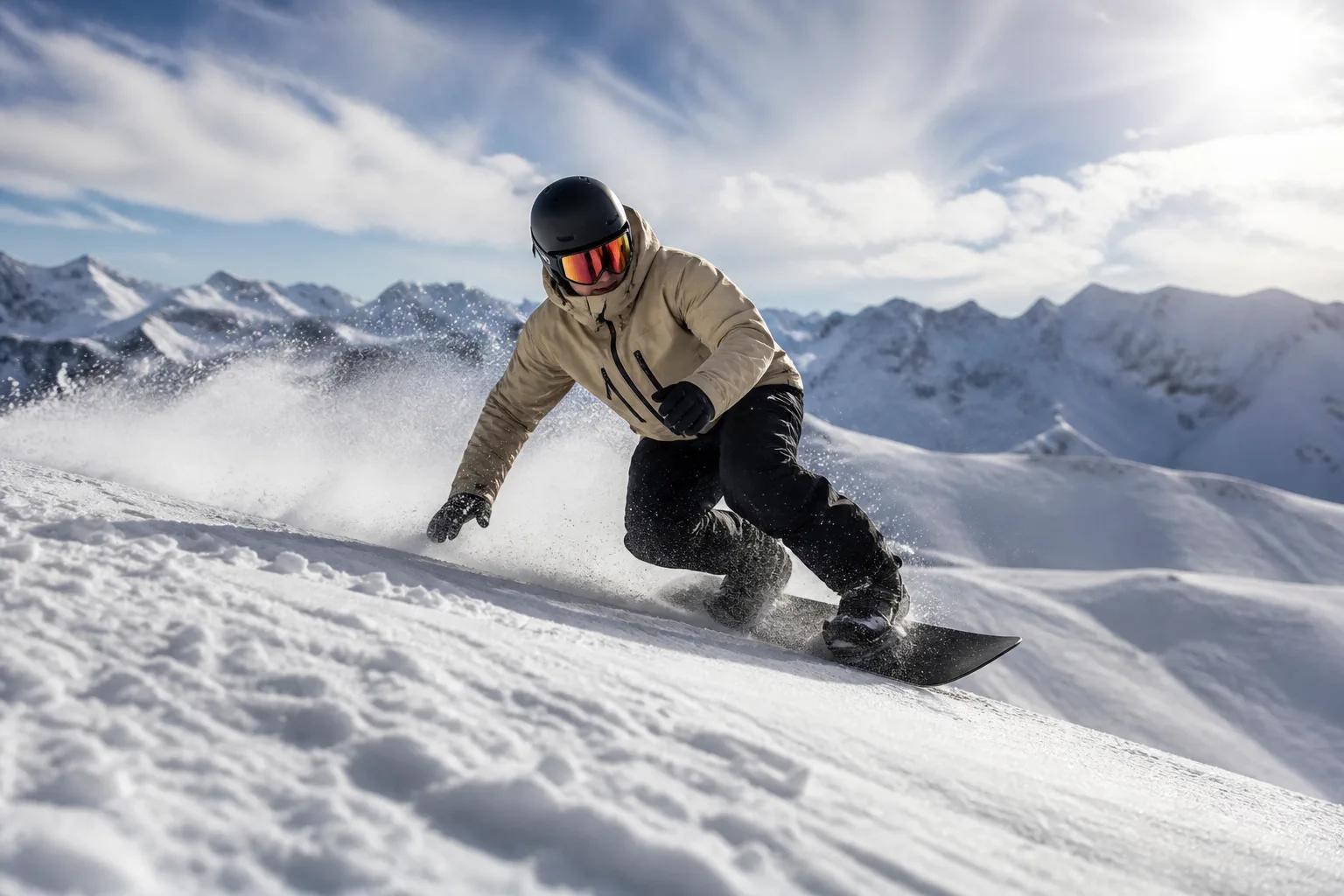
Snowboarding combines sustained leg and trunk bracing with repeated falls and landings; wrists, shoulders and ankles carry a distinct share of the sport's impact.
The training year
Recovery changes with the season
Winter recovery manages repeated falls, landings and consecutive ride days; the dryland block is where leg strength, balance and landing capacity can be rebuilt.
Oct–Nov
Pre-season
Return to board-specific conditioning before the first sustained days on snow.
Protocols for this phase →Dec–Mar
In-season
Primary snow season, when repeated riding days, terrain parks and fall exposure cluster together.
Protocols for this phase →Apr–May
Event recovery
Post-season unloading after the concentrated winter block.
Protocols for this phase →Wellness and training information, not medical advice. Recovery modalities are a support to good programming, sleep and nutrition — they do not treat, cure, or diagnose injury, and no session guarantees a performance outcome. Pain that persists or worsens deserves evaluation by a clinician or athletic trainer before you train through it.
The demands
What snowboarding asks of the body
Both feet are fixed to one board, so snowboarding manages balance and direction through a linked stance rather than independent skis. Long runs load the quadriceps, hips and trunk isometrically, while beginners accumulate repeated low-speed falls and advanced riders add higher-force jumps and landings. That changes the injury pattern: outstretched-hand falls make the wrist and shoulder prominent, while the ankle and head remain important in faster or aerial riding. Like alpine skiing, the winter exposure is concentrated, with a long off-season available for strength and landing capacity.
Also known as snowboard, snowboard riding, alpine snowboarding, freestyle snowboarding, resort riding
The load profile
- sustained lower-body bracing
- repeated falls and impact
- wrist and shoulder fall load
- ankle load in a fixed stance
- jump landing and deceleration
From demands to modalities
What studios pair with this load
The demands above are the input. These are the modalities recovery studios commonly pair with that kind of load — read what each actually does before you book.
The load
- sustained lower-body bracing
- repeated falls and impact
- wrist and shoulder fall load
- ankle load in a fixed stance
- jump landing and deceleration
What studios pair with it
Assisted stretch
Practitioner-assisted stretch
Pairs with: sustained lower-body bracing · wrist and shoulder fall load · ankle load in a fixed stance
What it does →Compression therapy
Air-pressure compression
Pairs with: ankle load in a fixed stance · jump landing and deceleration
What it does →Float therapy
Quiet float tank
Pairs with: sustained lower-body bracing
What it does →Percussion therapy
Percussive / vibration
Pairs with: wrist and shoulder fall load
What it does →A reading map, not a prescription — each page explains what a session involves and what the evidence shows. For condition-level evidence, start at the conditions library.
Gear and surface
What changes how the load lands
Two athletes on the same schedule can accumulate very differently depending on what they train on and in.
Boot stiffness, binding angles and stance width change ankle, knee and hip position. Wrist guards and helmets are safety equipment; fit and setup belong with qualified instructors or technicians, not a recovery provider.
What tends to show up
Common complaints, and where to read more
Plain-language descriptions of what athletes in this sport report. Where a cited evidence guide exists, the entry links to it.
Delayed Onset Muscle Soreness
Delayed onset muscle soreness is the one recovery target where the research is genuinely deep, and several modalities do reduce how sore you feel.
See the evidence →Knee Pain
Knee pain is discomfort in or around the knee joint from overuse, arthritis, injury, movement load, or irritation of muscles, tendons, ligaments, or cartilage.
Browse all conditions →TBI/concussion recovery
Concussion is a traumatic brain injury that can cause headache, fogginess, dizziness, light sensitivity, sleep changes, mood changes, and trouble concentrating. Studio routing…
Browse all conditions →Wrist fracture or acute wrist injury
A documented snowboarding injury pattern after an outstretched-hand fall. No matching condition record was found in the library, so it remains unlinked.
Browse all conditions →Near you
Find recovery near you
The directory behind Praxium — studios by city and modality. Start where coverage runs deepest, or browse everything.
Questions
Frequently asked questions
Why are wrists such a common snowboarding concern?
A forward or backward fall is often broken with the hands because both feet remain fixed to the board. Wrist pain, point tenderness or swelling after a fall is an injury question and should not be treated as ordinary soreness.
Is snowboarding easier on the knees than skiing?
The injury patterns differ, but that does not make the knee irrelevant. A fixed two-foot stance shifts some forces while falls, awkward lift exits and landings can still load the knee and ankle.
What is normal after a first day back?
General quadriceps, hip and trunk soreness is common after months off snow. Focal pain, instability, numbness, significant swelling or symptoms after a head impact are not routine recovery issues.
Do park laps change the recovery plan?
Yes. Repeated jumps and landings add impact and deceleration that ordinary groomed runs may not. Count attempts and hard landings, not just hours on the mountain.
Can recovery help me ride through a suspected concussion?
No. Head-impact symptoms require medical assessment, and nothing on this page should be used to speed a return to riding after a suspected concussion.
Keep exploring
Conditions referenced
Recovery goals
Guides
The beginner's guide to recovery modalities: what each one does and where to start →How often should you cold plunge? Dose, duration, and when more backfires →Contrast therapy: how to alternate hot and cold, and why the order matters →Red light therapy: what the evidence supports, and what it doesn't →Compression therapy: how pneumatic boots work and what they actually do →PEMF therapy explained: what pulsed magnetic fields can and can't do →Is whole-body cryotherapy worth it? A cost-benefit look →
Turn a season into a plan
Take the 2-minute Modality Match quiz and get a starting point built around how you train — which modalities to look at first, and which to run past a clinician.
Wellness and training information, not medical advice. Recovery modalities do not treat, cure, or diagnose any injury or condition and never replace care from a qualified clinician, athletic trainer, or physical therapist.