Loading…
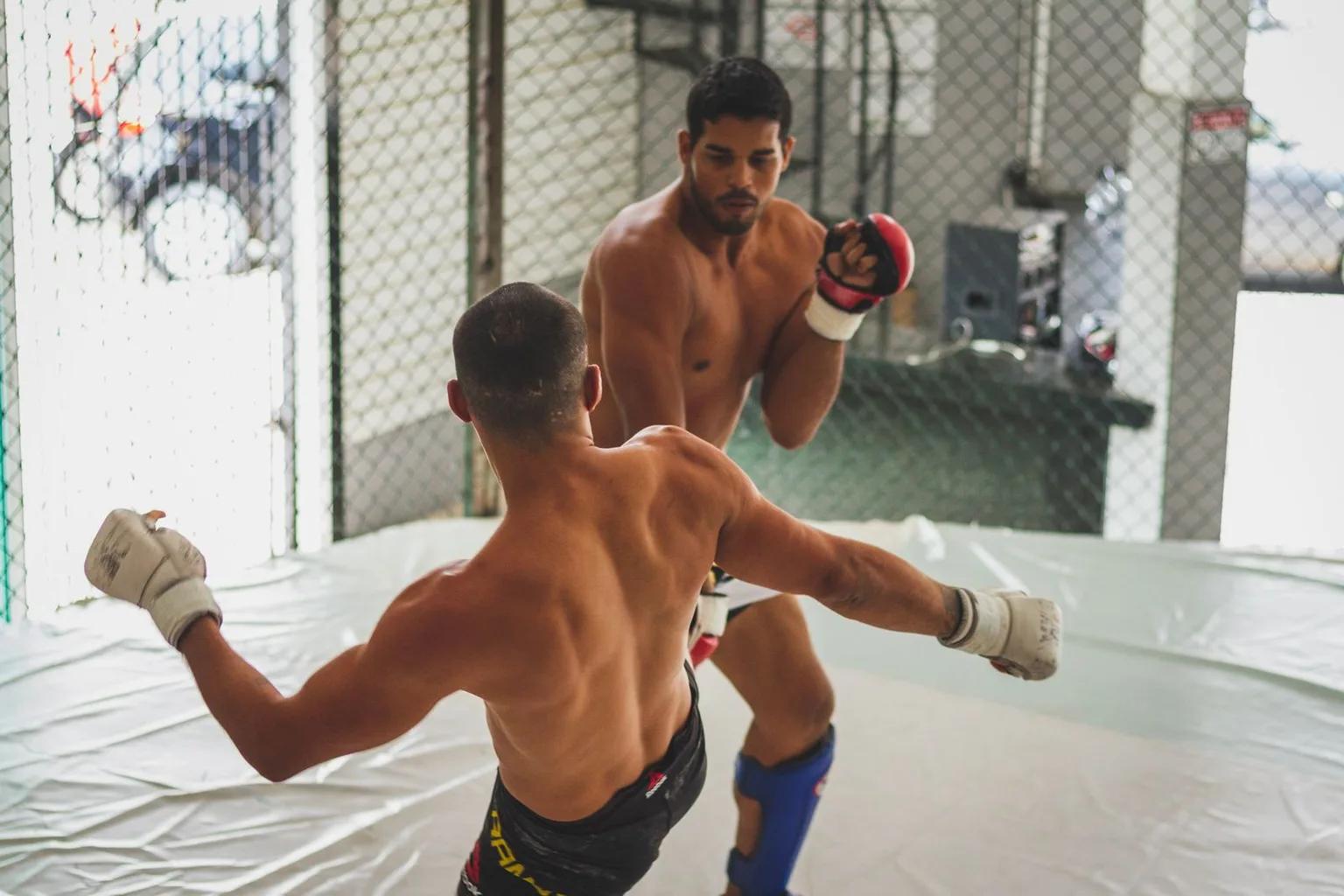
Combat sports
Boxing — Recovery
Boxing splits its load between roadwork and intervals for the legs and striking for the hands, wrists and shoulders, peaking in camp.
The training year
One steady recovery rhythm
Through the winter-to-spring tournament block and any sparring week, recovery is soreness clearance and sleep support at four to five sessions a week; between camps it drops to hand, wrist and shoulder maintenance at a fraction of that.
Jan–Apr
Event prep
The one genuinely calendar-anchored block in the sport — amateur and Golden Gloves tournament season runs heaviest through winter and early spring. Everything outside it is camp-relative and set by the coach, not by the month.
Protocols for this phase →Jan–Dec
Year-round
The baseline the sport actually runs on: roadwork most mornings, bag and pad volume through the week, and sparring blocks set by the coach rather than the calendar. Recovery here is hand, wrist and shoulder maintenance on top of steady lower-limb conditioning load.
Protocols for this phase →Wellness and training information, not medical advice. Recovery modalities are a support to good programming, sleep and nutrition — they do not treat, cure, or diagnose injury, and no session guarantees a performance outcome. Pain that persists or worsens deserves evaluation by a clinician or athletic trainer before you train through it.
The demands
What boxing asks of the body
Two loads run in parallel in boxing and they rarely get discussed together. The first is conditioning — roadwork most mornings plus interval rounds — which loads calves, shins and general fatigue much like a running programme would. The second is striking, which concentrates on hands, wrists and shoulders and escalates sharply in sparring weeks. The amateur tournament block through winter and early spring is when both peak at once, and it is the window where sleep and soreness support are most useful. Between camps the sparring stops and the useful work becomes hand, wrist and shoulder maintenance at a much lower cadence.
Also known as amateur boxing, Golden Gloves, boxing training, the sweet science
The load profile
- repeat interval work
- striking impact
- hand and wrist load
- shoulder endurance
- sustained aerobic roadwork
From demands to modalities
What studios pair with this load
The demands above are the input. These are the modalities recovery studios commonly pair with that kind of load — read what each actually does before you book.
The load
- repeat interval work
- striking impact
- hand and wrist load
- shoulder endurance
- sustained aerobic roadwork
What studios pair with it
Compression therapy
Air-pressure compression
Pairs with: repeat interval work · striking impact · sustained aerobic roadwork
What it does →Cold plunge
Cold-water immersion
Pairs with: repeat interval work · striking impact
What it does →Contrast therapy
Alternating hot & cold
Pairs with: repeat interval work · striking impact
What it does →Percussion therapy
Percussive / vibration
Pairs with: hand and wrist load · shoulder endurance
What it does →A reading map, not a prescription — each page explains what a session involves and what the evidence shows. For condition-level evidence, start at the conditions library.
Gear and surface
What changes how the load lands
Two athletes on the same schedule can accumulate very differently depending on what they train on and in.
Hand wraps and glove weight materially change wrist load; bag work in lighter gloves concentrates it. Roadwork surface — pavement versus track — drives the lower-limb half of the load, which is otherwise invisible in a boxing conversation.
What tends to show up
Common complaints, and where to read more
Plain-language descriptions of what athletes in this sport report. Where a cited evidence guide exists, the entry links to it.
Delayed Onset Muscle Soreness
Delayed onset muscle soreness is the one recovery target where the research is genuinely deep, and several modalities do reduce how sore you feel.
See the evidence →Reduced Range of Motion / Muscle Tightness
Temporary loss of joint range/muscle pliability with training, DOMS, or inactivity.
Browse all conditions →General Perceived Recovery Deficit
Subjective sense of incomplete recovery/low readiness between sessions.
Browse all conditions →Carpal Tunnel Syndrome
Carpal tunnel syndrome is irritation or pressure on the median nerve at the wrist, causing hand or wrist pain, numbness, tingling, or weakness.
Browse all conditions →Neck Pain / Cervicalgia
Neck pain is pain or stiffness in the cervical spine area, commonly related to muscle strain, posture, stress, arthritis, disc irritation, or nerve irritation.
Browse all conditions →Hand and wrist soreness from striking volume
Aching through the knuckles, wrists and forearms that builds across a week of bag and pad work. Usually most noticeable the morning after a heavy striking session.
Browse all conditions →Shoulder fatigue from round volume
A heavy, tired feeling through the shoulders and upper back from holding guard and punching in volume. It shows up late in rounds first, then earlier as the week accumulates.
Browse all conditions →Shin and calf soreness from roadwork
Tightness and tenderness along the shins and calves that comes from running volume rather than from the sport itself. Most common when roadwork increases quickly or moves onto harder surfaces.
Browse all conditions →For parents and coaches
Amateur boxing runs its heaviest tournament block through the winter and early spring. The quieter months are where hands, wrists and shoulders get to settle and where conditioning is rebuilt without sparring on top of it.
Near you
Find recovery near you
The directory behind Praxium — studios by city and modality. Start where coverage runs deepest, or browse everything.
Questions
Frequently asked questions
Sparring weeks leave me sore everywhere. What is the priority?
Sleep and soreness clearance, in that order. Sparring stacks impact on top of conditioning volume, and the sleep literature in athletes links short sleep to worse performance and slower recovery more consistently than any recovery modality does.
Is amateur tournament season different from a pro camp?
Yes — it is the one genuinely calendar-anchored block in the sport, running heaviest through winter and early spring. Professional and club camps are bout-relative and get set by the coach, not the month.
I took head shots in sparring and feel foggy. What now?
Stop and see a clinician. Feeling foggy after head contact is a medical assessment and nothing on this page applies to it. It should never be treated as something to recover from faster.
Can heat help me make weight?
No. Sweating down for a weigh-in carries documented risk — rapid weight loss is associated with acute kidney injury in combat-sport athletes and with fatal outcomes in the worst-documented cases. No reputable provider should support it.
Hands and wrists hurt constantly. Is that avoidable?
Some of it is wrapping, glove choice and volume, which are coaching questions. Pain that persists between sessions, or numbness in the fingers, is worth having assessed rather than managed indefinitely.
References
- Advances in Non-Pharmacological Strategies for DOMS: A Scoping and Critical Review of Recent Evidence
- Sleep and Athletic Performance: Impacts on Physical Performance, Mental Performance, Injury Risk and Recovery, and Mental Health
- Rapid weight loss can increase the risk of acute kidney injury in wrestlers
- Insomnia: What It Is, Causes, Symptoms & Treatment
Keep exploring
Conditions referenced
Recovery goals
Guides
The beginner's guide to recovery modalities: what each one does and where to start →How often should you cold plunge? Dose, duration, and when more backfires →Contrast therapy: how to alternate hot and cold, and why the order matters →Red light therapy: what the evidence supports, and what it doesn't →Compression therapy: how pneumatic boots work and what they actually do →PEMF therapy explained: what pulsed magnetic fields can and can't do →Is whole-body cryotherapy worth it? A cost-benefit look →
Turn a season into a plan
Take the 2-minute Modality Match quiz and get a starting point built around how you train — which modalities to look at first, and which to run past a clinician.
Wellness and training information, not medical advice. Recovery modalities do not treat, cure, or diagnose any injury or condition and never replace care from a qualified clinician, athletic trainer, or physical therapist.