Loading…
Team sports
Baseball — Recovery Through the Training Year
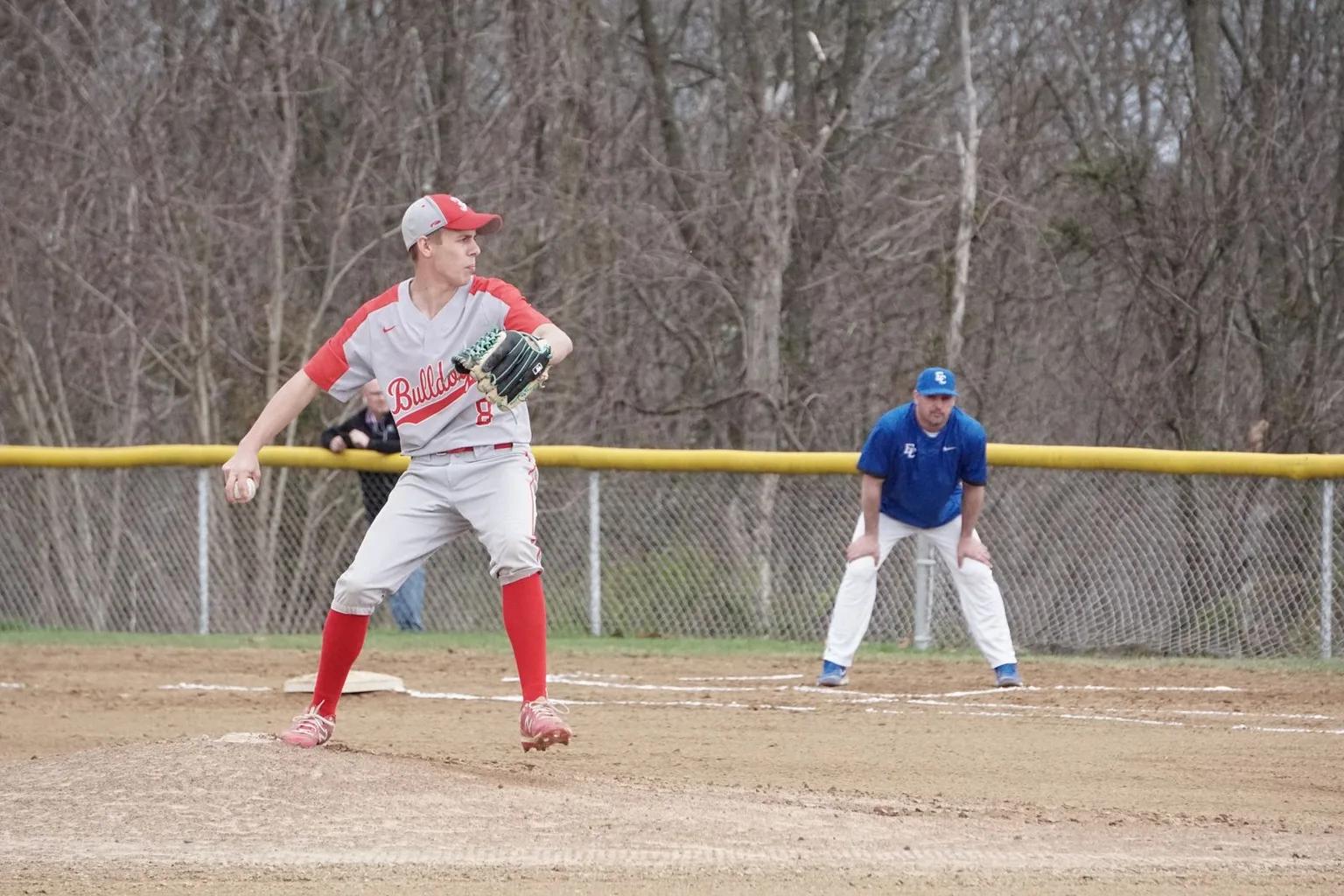
Baseball's recovery story is mainly about the arm; catchers add squat volume and position players add rotational low-back load.
The training year
Recovery changes with the season
In-season, recovery is staged arm care pinned to the pitching rotation; in the winter block it is a throwing ramp with shoulder, elbow and thoracic capacity built underneath it.
Mar–Aug
In-season
High-school spring rolls directly into travel and summer ball with no break between them.
Protocols for this phase →Nov–Jan
Off-season
The only genuine throwing-down window in the year. Strength and shoulder capacity block.
Protocols for this phase →Wellness and training information, not medical advice. Recovery modalities are a support to good programming, sleep and nutrition — they do not treat, cure, or diagnose injury, and no session guarantees a performance outcome. Pain that persists or worsens deserves evaluation by a clinician or athletic trainer before you train through it.
The demands
What baseball asks of the body
The recovery story in baseball is mostly an arm story. A starting pitcher's five-day cycle is one of the most predictable recurring patterns in sport: the day after an outing, the day of a bullpen, and the day before the next start each ask for something different, and that structure makes planning genuinely straightforward. Around it sit catchers absorbing hundreds of squats a week and position players carrying rotational low-back load and long cold stretches between bursts. Because spring, summer and fall seasons now run into each other, the winter block is the only stretch where an arm actually stops — and it is the block where shoulder and thoracic capacity are built for the next one.
Also known as hardball, travel ball, fall ball, HS baseball
The load profile
- overhead rotation
- max-effort throwing
- rotational power
- long low-activity innings
- repeat sprint
From demands to modalities
What studios pair with this load
The demands above are the input. These are the modalities recovery studios commonly pair with that kind of load — read what each actually does before you book.
The load
- overhead rotation
- max-effort throwing
- rotational power
- long low-activity innings
- repeat sprint
What studios pair with it
Assisted stretch
Practitioner-assisted stretch
Pairs with: overhead rotation · max-effort throwing · rotational power
What it does →Percussion therapy
Percussive / vibration
Pairs with: overhead rotation · max-effort throwing · rotational power
What it does →Cold plunge
Cold-water immersion
Pairs with: repeat sprint
What it does →Compression therapy
Air-pressure compression
Pairs with: repeat sprint
What it does →A reading map, not a prescription — each page explains what a session involves and what the evidence shows. For condition-level evidence, start at the conditions library.
By position
The same sport, different jobs
Load isn't evenly distributed across a roster — what wears down depends on where you play.
Starting pitchers
The clearest recurring cadence in this entire library: a fixed five-day cycle where day 1, day 2 and day 3 each have a different recovery job. Shoulder, elbow and forearm load dominate.
max-effort throwingoverhead rotationforearm and grip load
Relievers
Short-turnaround, unpredictable availability. Daily arm care rather than a staged cycle; the hardest group to schedule around.
max-effort throwingrepeat readinessforearm load
Catchers
Highest cumulative squat and knee load on the roster plus a throwing volume second only to pitchers. Knee, hip and low-back load stacked on top of arm load.
sustained deep squatoverhead throwinghip and knee load
Position players
Rotational swing volume plus repeat sprint, with long low-activity stretches between. Low-back rotational soreness and stiffness from standing cold.
rotational powerrepeat sprintprolonged low-activity standing
Two-way and utility
Carries a pitcher's arm load and a position player's rotational and sprint load in the same week — the highest total-load athlete on most rosters and the one most likely to be under-recovered.
max-effort throwingrotational powerrepeat sprint
Gear and surface
What changes how the load lands
Two athletes on the same schedule can accumulate very differently depending on what they train on and in.
Catcher's gear adds cumulative squat load over a doubleheader. Weighted-ball and velocity programs raise elbow and forearm load sharply and should be known about before any arm-care cadence is set.
What tends to show up
Common complaints, and where to read more
Plain-language descriptions of what athletes in this sport report. Where a cited evidence guide exists, the entry links to it.
Delayed Onset Muscle Soreness
Delayed onset muscle soreness is the one recovery target where the research is genuinely deep, and several modalities do reduce how sore you feel.
See the evidence →Reduced Range of Motion / Muscle Tightness
Temporary loss of joint range/muscle pliability with training, DOMS, or inactivity.
Browse all conditions →Frozen Shoulder / Adhesive Capsulitis
Frozen shoulder is a painful shoulder condition where the joint capsule becomes stiff and movement becomes limited, often progressing through painful, stiff, and recovery phases.
Browse all conditions →Tennis Elbow / Lateral Epicondylitis
Tennis elbow is an overuse tendon problem on the outside of the elbow, usually from repeated gripping, lifting, twisting, or racquet/tool use.
Browse all conditions →Medial elbow soreness from throwing volume
Soreness on the inside of the throwing elbow that tracks pitch count and short rest. The signature baseball complaint, and one worth attention early rather than late.
Browse all conditions →Forearm and grip fatigue
Forearm tightness and reduced grip after throwing volume. Often reported as the ball feeling heavy or the release feeling less crisp.
Browse all conditions →Stiffness from long low-activity innings
Cooling down and stiffening up during long half-innings, then having to produce a maximal effort from cold. Distinct from post-game soreness.
Browse all conditions →For parents and coaches
Baseball is now three overlapping seasons — spring, summer travel, and fall ball — with November through January the only real window where an arm gets to stop. That window is what makes the next spring possible; it is not lost time.
Near you
Find recovery near you
The directory behind Praxium — studios by city and modality. Start where coverage runs deepest, or browse everything.
Questions
Frequently asked questions
How do you plan recovery around a five-day pitching rotation?
By treating each day as a different job — the day after an outing, the bullpen day, and the day before the next start all ask for different things. It is the most predictable recurring pattern in youth sport, which makes it the easiest to plan around.
How much throwing is too much?
Pitch counts are the best-studied lever there is. Studies of youth pitchers link higher daily and season pitch totals to more elbow and shoulder pain, and limiting daily counts is associated with less elbow pain. Track them; no recovery routine substitutes for that.
He has soreness on the inside of his elbow. Is that normal?
Persistent pain on the inside of a young thrower's elbow is an evaluation, not a soreness to work through. Skeletally immature throwers can have growth-plate involvement there. Get it looked at before any recovery plan is built around it.
Is fall ball a break?
Not for the arm. The stakes are lower but the throwing volume usually is not. November through January is the only stretch in a modern baseball calendar where an arm genuinely stops, which is what makes the winter block worth protecting.
Catchers seem sorest but nobody talks about them. Why?
Because the conversation is dominated by arms. A catcher carries hundreds of deep squats a week on top of a throwing volume second only to a pitcher's, so knee, hip and low-back load stack under the arm load. Their recovery profile is genuinely different from the rest of the roster's.
References
- Throwing Injuries and Prevention Strategies in Youth Baseball
- Limiting the Pitch Count in Youth Baseball Pitchers Decreases Elbow Pain
- Load progression criteria in exercise programmes in lower limb tendinopathy: a systematic review
- Advances in Non-Pharmacological Strategies for DOMS: A Scoping and Critical Review of Recent Evidence
Keep exploring
Conditions referenced
Recovery goals
Guides
The beginner's guide to recovery modalities: what each one does and where to start →How often should you cold plunge? Dose, duration, and when more backfires →Contrast therapy: how to alternate hot and cold, and why the order matters →Red light therapy: what the evidence supports, and what it doesn't →Compression therapy: how pneumatic boots work and what they actually do →PEMF therapy explained: what pulsed magnetic fields can and can't do →Is whole-body cryotherapy worth it? A cost-benefit look →
Turn a season into a plan
Take the 2-minute Modality Match quiz and get a starting point built around how you train — which modalities to look at first, and which to run past a clinician.
Wellness and training information, not medical advice. Recovery modalities do not treat, cure, or diagnose any injury or condition and never replace care from a qualified clinician, athletic trainer, or physical therapist.