Loading…
Endurance
Mountain Biking — Recovery Through the Training Year
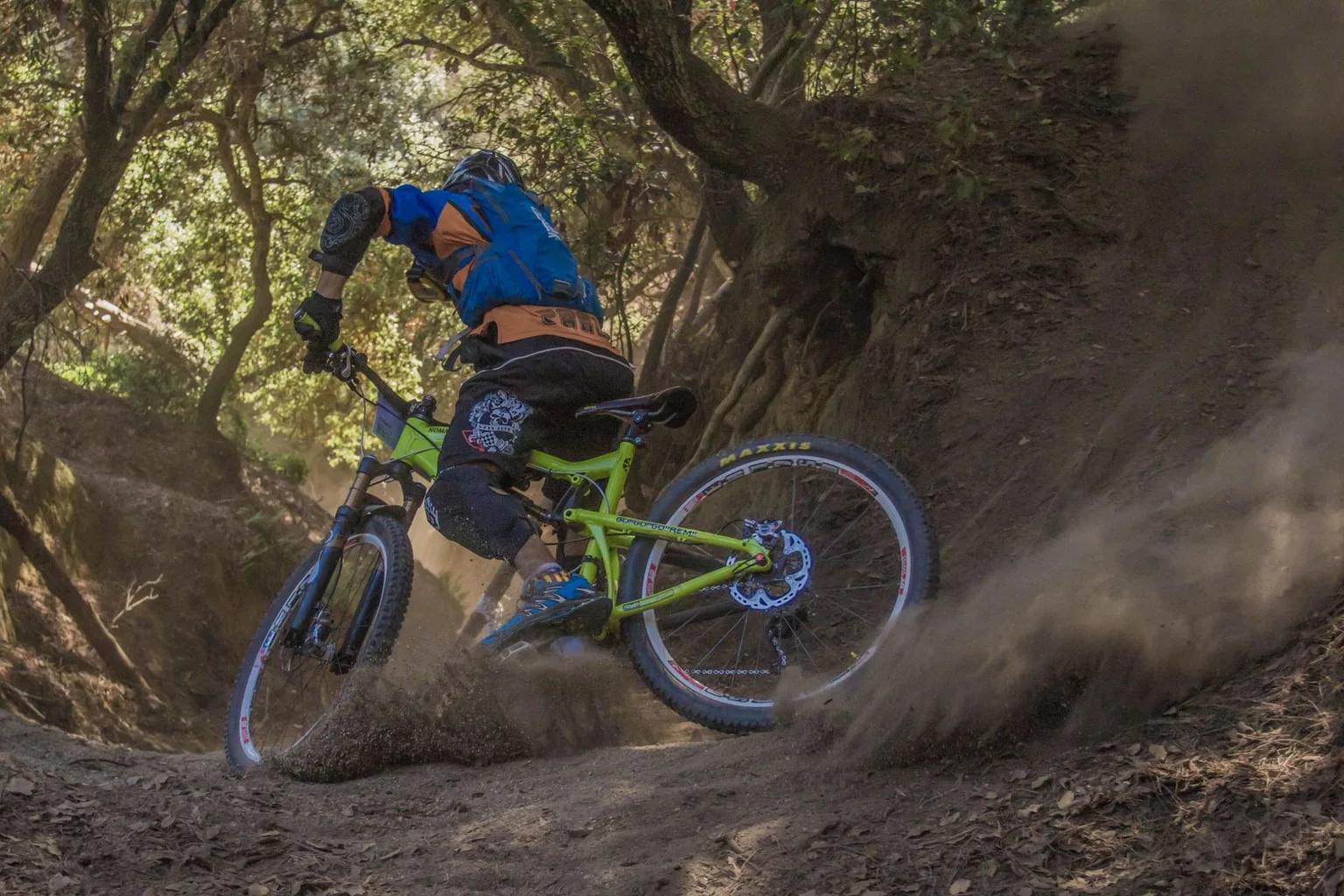
Mountain biking diverges from road cycling through repeated vibration, technical bursts and constant upper-body bracing.
The training year
Recovery changes with the season
In-season, recovery is weekend-ride turnaround with grip, forearm and low-back load front and centre; in the five-month closed-trail block it becomes a strength and mobility window — the one stretch of the year with room to build rather than just recover.
Apr
Pre-season
Trails reopen; the first month back consistently produces the year's worst grip and forearm fatigue.
Protocols for this phase →May–Oct
In-season
Full trail season with race series through late spring and early autumn.
Protocols for this phase →Nov–Mar
Off-season
Trails close when wet or frozen. The most complete stop in endurance sport, and a long gap to stay conditioned through.
Protocols for this phase →Wellness and training information, not medical advice. Recovery modalities are a support to good programming, sleep and nutrition — they do not treat, cure, or diagnose injury, and no session guarantees a performance outcome. Pain that persists or worsens deserves evaluation by a clinician or athletic trainer before you train through it.
The demands
What mountain biking asks of the body
The distinguishing load in mountain biking is upper-body: hours of bracing over rough terrain produce forearm pump and grip fatigue that riders describe as the limiting factor long before their legs are. Add repeated impact and vibration through the hands, wrists and low back, plus the occasional scrape or bruise from a spill, and the recovery profile diverges sharply from road cycling despite the identical aerobic base. The Northeast season is genuinely enforced — trails close when wet or frozen — so November through March is a real stop. That gap is the hard part: the load disappears, the conditioning that the trail itself was providing disappears with it, and April arrives with riders in worse shape than they left.
Also known as MTB, off-road cycling, trail riding, enduro, cross-country
The load profile
- sustained aerobic output
- repeated impact and vibration
- grip and forearm endurance
- upper-body bracing
- technical anaerobic bursts
From demands to modalities
What studios pair with this load
The demands above are the input. These are the modalities recovery studios commonly pair with that kind of load — read what each actually does before you book.
The load
- sustained aerobic output
- repeated impact and vibration
- grip and forearm endurance
- upper-body bracing
- technical anaerobic bursts
What studios pair with it
Compression therapy
Air-pressure compression
Pairs with: sustained aerobic output · repeated impact and vibration · technical anaerobic bursts
What it does →Float therapy
Quiet float tank
Pairs with: sustained aerobic output · upper-body bracing · technical anaerobic bursts
What it does →Infrared sauna
Radiant heat therapy
Pairs with: sustained aerobic output · technical anaerobic bursts
What it does →Cold plunge
Cold-water immersion
Pairs with: repeated impact and vibration · technical anaerobic bursts
What it does →A reading map, not a prescription — each page explains what a session involves and what the evidence shows. For condition-level evidence, start at the conditions library.
Gear and surface
What changes how the load lands
Two athletes on the same schedule can accumulate very differently depending on what they train on and in.
Suspension travel and tyre pressure are the real demand modifiers — a hardtail on rocky trail transmits far more vibration to hands and low back than a full-suspension bike on the same route. Grip diameter and glove padding drive forearm pump directly.
What tends to show up
Common complaints, and where to read more
Plain-language descriptions of what athletes in this sport report. Where a cited evidence guide exists, the entry links to it.
Delayed Onset Muscle Soreness
Delayed onset muscle soreness is the one recovery target where the research is genuinely deep, and several modalities do reduce how sore you feel.
See the evidence →Reduced Range of Motion / Muscle Tightness
Temporary loss of joint range/muscle pliability with training, DOMS, or inactivity.
Browse all conditions →Carpal Tunnel Syndrome
Carpal tunnel syndrome is irritation or pressure on the median nerve at the wrist, causing hand or wrist pain, numbness, tingling, or weakness.
Browse all conditions →Knee Pain
Knee pain is discomfort in or around the knee joint from overuse, arthritis, injury, movement load, or irritation of muscles, tendons, ligaments, or cartilage.
Browse all conditions →wound healing
Wound healing support refers to recovery of skin or superficial tissue after a cut, abrasion, procedure, or irritation. Active wounds require appropriate medical clearance and…
Browse all conditions →Forearm pump and grip fatigue
Forearms that swell and burn on long descents until holding the bars and braking becomes the limiting factor. Often the first thing to end a technical ride.
Browse all conditions →Hand and wrist soreness from vibration
Aching and numbness through the hands and wrists from sustained trail vibration and braking. Often lingers for hours after the ride.
Browse all conditions →Bruising and scrapes from spills
Bruising, scrapes and general soreness from going down. Deep bruising typically colours and stiffens a day or two later.
See the evidence →IT band irritation
Sharp or burning pain on the outside of the knee that appears at a predictable point in a session and settles with rest. Common in high-mileage and downhill blocks.
See the evidence →For the people around you
November to March is the stretch worth planning around. It is the only part of the year when the hands, forearms and low back that absorb the trail's vibration actually get to settle, and the only time strength and mobility work has real room.
Near you
Find recovery near you
The directory behind Praxium — studios by city and modality. Start where coverage runs deepest, or browse everything.
Questions
Frequently asked questions
The first month back on trails wrecks my forearms. Why?
Grip and braking load is the demand that detrains fastest over a closed-trail winter, so April consistently produces the year's worst forearm and grip fatigue. That is a re-exposure pattern, not an injury.
Trails are closed for five months. Is there any point booking sessions?
That is the honest question. The winter block is the only strength and mobility window the sport has — the hands, forearms and low back that absorb trail vibration finally get to settle, and there is room to build. Whether that is worth planning around is yours to decide.
I crashed and have road rash. Can I do a session?
Not over an open wound, and not before it has been cleaned and looked at if it is deep, dirty, or not closing. Broken skin is a screening question for every modality here.
Low back after a long descent day — normal?
Common. Sustained bracing over rough ground loads the low back hard. Back pain with numbness, weakness or leg symptoms is a different problem and needs assessment.
Does anything actually shorten the recovery after a big weekend?
Not dramatically. Soreness follows its own 24–72 hour arc, and recovery work mostly changes how that window feels rather than how long it lasts.
References
- Advances in Non-Pharmacological Strategies for DOMS: A Scoping and Critical Review of Recent Evidence
- Lower Back Pain: Causes, Symptoms & Treatment
- Effects of lower-limb intermittent pneumatic compression on sports recovery: a systematic review and meta-analysis
- Low-intensity LASER and LED (photobiomodulation therapy) for pain control of the most common musculoskeletal conditions
Keep exploring
Conditions referenced
Recovery goals
Guides
The beginner's guide to recovery modalities: what each one does and where to start →How often should you cold plunge? Dose, duration, and when more backfires →Contrast therapy: how to alternate hot and cold, and why the order matters →Red light therapy: what the evidence supports, and what it doesn't →Compression therapy: how pneumatic boots work and what they actually do →PEMF therapy explained: what pulsed magnetic fields can and can't do →Is whole-body cryotherapy worth it? A cost-benefit look →
Turn a season into a plan
Take the 2-minute Modality Match quiz and get a starting point built around how you train — which modalities to look at first, and which to run past a clinician.
Wellness and training information, not medical advice. Recovery modalities do not treat, cure, or diagnose any injury or condition and never replace care from a qualified clinician, athletic trainer, or physical therapist.