Loading…
Endurance
Backpacking — Recovery Through the Training Year
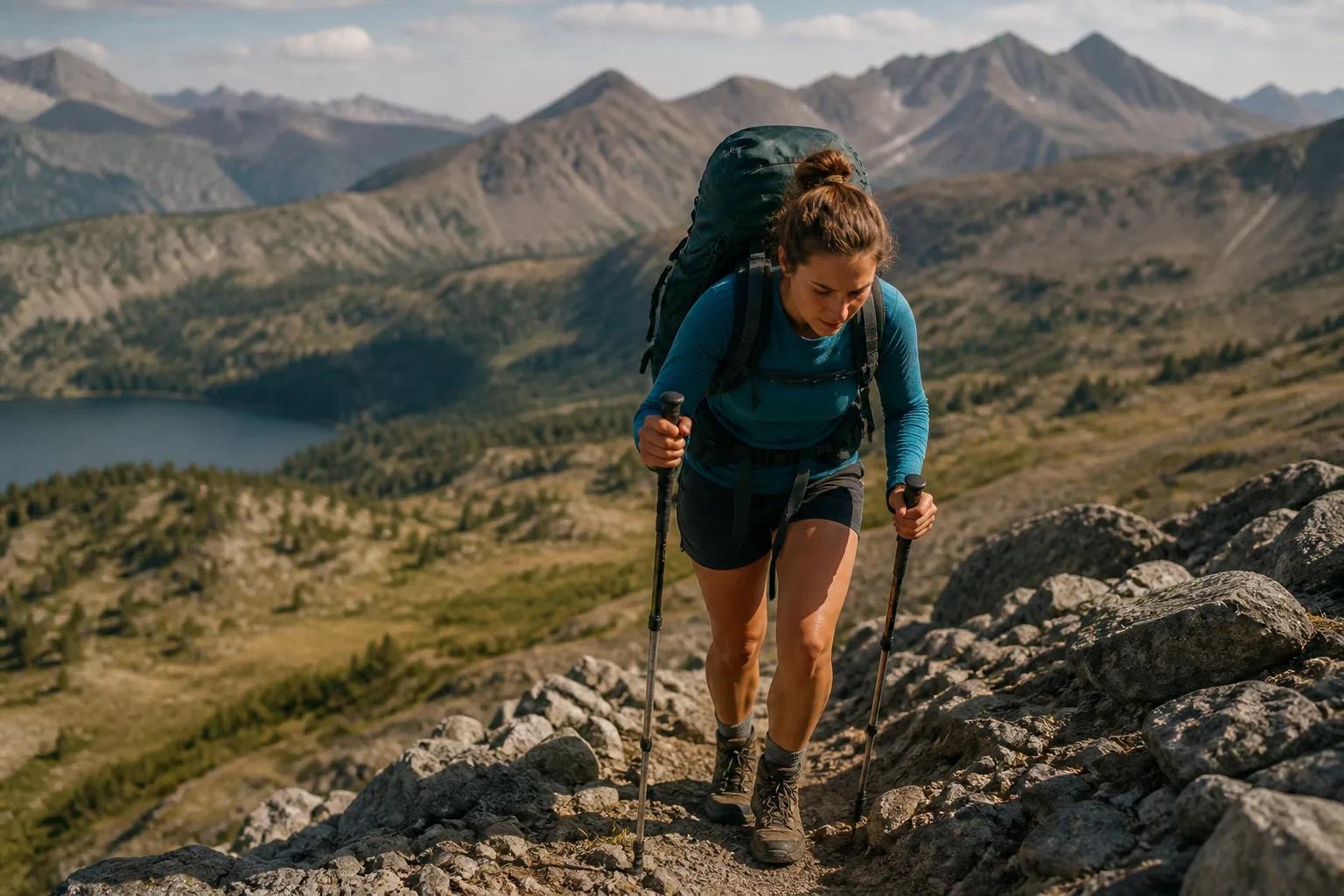
Backpacking adds a loaded pack and consecutive long days to hiking, increasing energy cost while concentrating fatigue at the feet, knees, shoulders and low back.
The training year
Recovery changes with the season
Trip season is about managing feet, pack load and repeated days; the preparation window is where pack weight and back-to-back hiking should progress gradually.
May–Oct
In-season
Primary multi-day trip and thru-hiking season, with repeated long days under load.
Protocols for this phase →Mar–Apr
Event prep
Pack-weight, distance and consecutive-day progression before longer trips.
Protocols for this phase →Nov–Feb
Off-season
Lower-volume winter window for many temperate-climate backpackers, with general strength and aerobic maintenance.
Protocols for this phase →Wellness and training information, not medical advice. Recovery modalities are a support to good programming, sleep and nutrition — they do not treat, cure, or diagnose injury, and no session guarantees a performance outcome. Pain that persists or worsens deserves evaluation by a clinician or athletic trainer before you train through it.
The demands
What backpacking asks of the body
Backpacking is hiking with two multipliers: carried load and repetition across days. A pack changes posture, balance, gait and energy cost on every climb and descent, while recovery is constrained by sleeping outdoors and starting again the next morning. Feet and skin often become the limiting system before cardiovascular fitness does; knees and ankles absorb uneven terrain under added mass, and the shoulders and low back carry a demand that day hiking may not reveal. The honest load is total pack weight, vertical gain and loss, hours on feet and the number of consecutive days.
Also known as multi-day hiking, overnight hiking, thru-hiking, backcountry trekking, loaded hiking
The load profile
- loaded uphill hiking
- multi-day lower-body endurance
- pack-driven trunk and shoulder load
- eccentric downhill braking
- repetitive foot loading
From demands to modalities
What studios pair with this load
The demands above are the input. These are the modalities recovery studios commonly pair with that kind of load — read what each actually does before you book.
The load
- loaded uphill hiking
- multi-day lower-body endurance
- pack-driven trunk and shoulder load
- eccentric downhill braking
- repetitive foot loading
What studios pair with it
Percussion therapy
Percussive / vibration
Pairs with: pack-driven trunk and shoulder load · repetitive foot loading
What it does →Assisted stretch
Practitioner-assisted stretch
Pairs with: pack-driven trunk and shoulder load
What it does →Compression therapy
Air-pressure compression
Pairs with: repetitive foot loading
What it does →Cold plunge
Cold-water immersion
Pairs with: repetitive foot loading
What it does →A reading map, not a prescription — each page explains what a session involves and what the evidence shows. For condition-level evidence, start at the conditions library.
Gear and surface
What changes how the load lands
Two athletes on the same schedule can accumulate very differently depending on what they train on and in.
Pack mass, frame and hip-belt fit change posture, stability and energy cost. Footwear, socks and moisture management shape blister risk, while trekking poles redistribute some descent and balance demand. Test the exact system before a remote trip.
What tends to show up
Common complaints, and where to read more
Plain-language descriptions of what athletes in this sport report. Where a cited evidence guide exists, the entry links to it.
Muscle Strain / Pulled Muscle
A muscle strain is a stretch or tear of muscle fibers, commonly from sudden force, twisting, overuse, under-recovery, or insufficient warm-up.
Browse all conditions →Delayed Onset Muscle Soreness
Delayed onset muscle soreness is the one recovery target where the research is genuinely deep, and several modalities do reduce how sore you feel.
See the evidence →Achilles Tendinitis / Tendinopathy
Achilles tendinitis is irritation or inflammation of the tendon that connects the calf muscles to the heel, often from running, jumping, or repeated loading.
Browse all conditions →Knee Pain
Knee pain is discomfort in or around the knee joint from overuse, arthritis, injury, movement load, or irritation of muscles, tendons, ligaments, or cartilage.
Browse all conditions →Foot blisters and skin irritation
Common multi-day hiking complaints that can alter gait and end a trip. No matching condition record was found in the library, so they remain unlinked.
Browse all conditions →Near you
Find recovery near you
The directory behind Praxium — studios by city and modality. Start where coverage runs deepest, or browse everything.
Questions
Frequently asked questions
How is backpacking different from a long day hike?
The pack adds load to every step, and the second or third morning begins before soreness and skin irritation have fully cleared. Consecutive days and recovery constraints are the defining difference.
What is the most useful training metric?
Track pack weight, time on feet, vertical gain and loss, and back-to-back days. Mileage alone hides the difference between a light flat walk and a loaded mountain route.
Should I train with my full trip pack immediately?
No. Load carriage changes energy cost, gait and balance, so pack weight should progress rather than jump. Build distance and load separately enough to see which change drives symptoms.
Are blisters a minor inconvenience?
They can end a trip by changing gait and exposing skin. Footwear fit, sock and moisture choices, early friction management and wound care matter more than trying to numb the discomfort.
What pain should stop a trip?
Focal worsening pain, instability, neurologic symptoms, significant swelling or an altered gait deserve a conservative decision, especially when help is remote. Recovery tools do not make a deteriorating injury safe.
Keep exploring
Conditions referenced
Recovery goals
Guides
The beginner's guide to recovery modalities: what each one does and where to start →How often should you cold plunge? Dose, duration, and when more backfires →Contrast therapy: how to alternate hot and cold, and why the order matters →Red light therapy: what the evidence supports, and what it doesn't →Compression therapy: how pneumatic boots work and what they actually do →PEMF therapy explained: what pulsed magnetic fields can and can't do →Is whole-body cryotherapy worth it? A cost-benefit look →
Turn a season into a plan
Take the 2-minute Modality Match quiz and get a starting point built around how you train — which modalities to look at first, and which to run past a clinician.
Wellness and training information, not medical advice. Recovery modalities do not treat, cure, or diagnose any injury or condition and never replace care from a qualified clinician, athletic trainer, or physical therapist.