Loading…
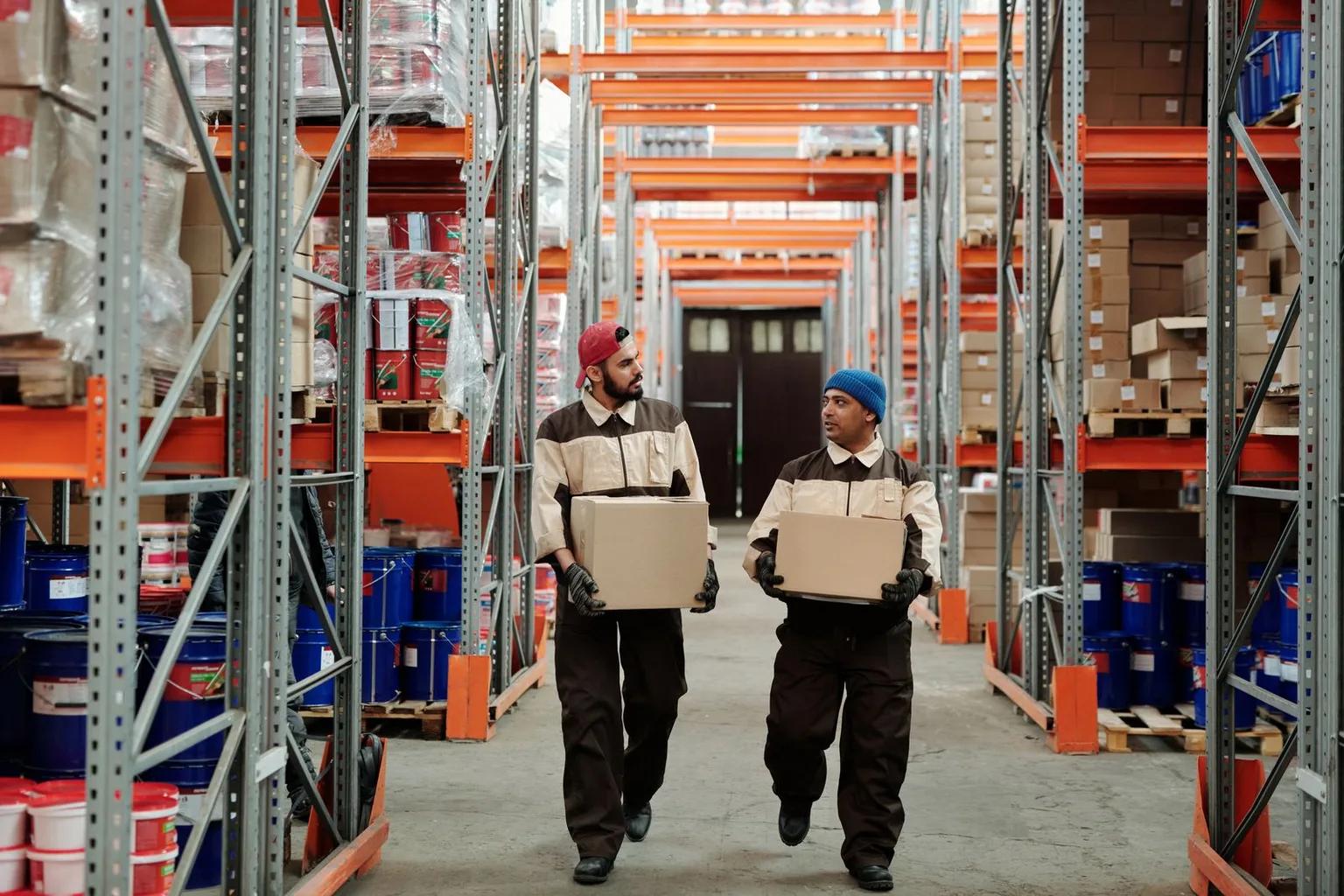
On the job
Physically Demanding Work — Recovery
In physically demanding work, the dose is not optional: lifting, carrying and awkward postures repeat; shift rotation fragments sleep.
The training year
One steady recovery rhythm
There is no season to contrast. What changes instead is the shift pattern and the overtime cycle: through a heavy overtime stretch recovery is turnaround between shifts, and through a lighter stretch it becomes the window to address the complaint that has been building all year.
Jan–Dec
Year-round
Work does not have a season. The nearest thing to a phase is the shift pattern — day, night, or rotating — and overtime cycles, which the employer sets rather than the calendar.
Protocols for this phase →Wellness information, not medical advice. Recovery modalities support training recovery and readiness — they do not treat, cure, or diagnose any injury or condition, and they never replace a qualified clinician, athletic trainer, or physical therapist. Anything that feels like an injury deserves a professional evaluation before a recovery session.
The demands
What physically demanding work asks of the body
Work load behaves differently from training load in one decisive way: it is involuntary. An athlete short on recovery can take a lighter week; a nurse, a framer or a warehouse picker takes the same shift on Monday whether or not Sunday helped. That changes what recovery is for — it is about consistency and about the hours outside work, rather than about performance. The demands themselves are well studied and unglamorous: frequent manual handling of heavy loads is one of the clearest occupational risk signals for low back pain across every sector measured, and in nursing specifically, patient handling is associated with back disorders regardless of technique or personal factors. Sustained standing and repetitive gripping add foot, calf and forearm complaints on top. Shift rotation compounds all of it by shortening and fragmenting sleep. None of that is fixed by a recovery session, and this page does not pretend otherwise — what a plan can realistically do is help the turnaround between shifts and keep the load from quietly compounding into something that needs time off.
Also known as manual labor, trades work, on your feet all day, shift work recovery, occupational recovery, warehouse work, nursing and healthcare work, first responder recovery
The load profile
- repeated lifting and carrying
- sustained standing
- overhead and awkward-posture work
- repetitive gripping and tool use
- shift-pattern sleep disruption
From demands to modalities
What studios pair with this load
The demands above are the input. These are the modalities recovery studios commonly pair with that kind of load — read what each actually does before you book.
The load
- repeated lifting and carrying
- sustained standing
- overhead and awkward-posture work
- repetitive gripping and tool use
- shift-pattern sleep disruption
What studios pair with it
Assisted stretch
Practitioner-assisted stretch
Pairs with: overhead and awkward-posture work · repetitive gripping and tool use
What it does →Percussion therapy
Percussive / vibration
Pairs with: overhead and awkward-posture work · repetitive gripping and tool use
What it does →Float therapy
Quiet float tank
Pairs with: overhead and awkward-posture work
What it does →A reading map, not a prescription — each page explains what a session involves and what the evidence shows. For condition-level evidence, start at the conditions library.
By position
The same sport, different jobs
Load isn't evenly distributed across a roster — what wears down depends on where you play.
Trades and construction
Heaviest lifting and carrying load, plus overhead and kneeling work. Low back, shoulders and knees dominate; the work is also weather-exposed, which raises the heat load in summer.
repeated lifting and carryingoverhead worksustained kneeling
Nursing and healthcare
Patient handling is the highest-risk manual-handling task studied. Low back load plus twelve-hour standing and night rotations; sleep disruption is a load factor in itself, not a side issue.
patient handlingsustained standingnight and rotating shifts
Warehouse and logistics
The most repetitive lifting volume of any group here, usually at a rate set by a system rather than by the worker. Low back, forearms and feet dominate.
high-frequency liftingsustained standingrepetitive gripping
First responders and law enforcement
Unpredictable bursts of maximal effort on top of long low-activity stretches, in carried gear, on rotating shifts. The combination of body armour, sitting time and sudden exertion is unlike any other group here.
carried loadunpredictable maximal effortprolonged sitting then sudden exertion
Gear and surface
What changes how the load lands
Two athletes on the same schedule can accumulate very differently depending on what they train on and in.
Carried gear is the variable that matters most — a tool belt, a duty belt with body armour, or a loaded pack shifts load onto the low back and shoulders for the whole shift. Footwear and standing surface drive foot and calf load more than anything else for the standing groups; steel-toe boots on concrete are their own demand.
What tends to show up
Common complaints, and where to read more
Plain-language descriptions of what athletes in this sport report. Where a cited evidence guide exists, the entry links to it.
Lower-Limb Venous Stasis & Leg Heaviness
Heaviness, mild swelling, and sluggish circulation after prolonged standing, sitting, travel, or training; not a disease state.
Browse all conditions →Reduced Range of Motion / Muscle Tightness
Temporary loss of joint range/muscle pliability with training, DOMS, or inactivity.
Browse all conditions →Plantar Fasciitis
Plantar fasciitis is a common cause of heel pain from irritation of the tissue along the bottom of the foot.
See the evidence →Carpal Tunnel Syndrome
Carpal tunnel syndrome is irritation or pressure on the median nerve at the wrist, causing hand or wrist pain, numbness, tingling, or weakness.
Browse all conditions →Neck Pain / Cervicalgia
Neck pain is pain or stiffness in the cervical spine area, commonly related to muscle strain, posture, stress, arthritis, disc irritation, or nerve irritation.
Browse all conditions →Mild Muscle Discomfort (Neck/Shoulder/Low Back)
Browse all conditions →Low Back Pain
Low back pain is discomfort in the lumbar area of the spine. It is often related to muscle or tendon strain, stiffness, arthritis, disc irritation, posture, or load tolerance.
Browse all conditions →Foot and heel soreness from a full shift on concrete
Deep aching through the heels and arches after hours standing or walking on hard flooring. Typically worst in the first steps of the morning and again at the end of a shift.
Browse all conditions →Forearm and grip fatigue from tool use
Forearms that feel pumped and hands that lose grip strength across a shift, from sustained tool use, vibration and repeated gripping.
Browse all conditions →Shift-rotation sleep disruption
Broken or short sleep caused by a rotating schedule rather than by difficulty sleeping. The body clock never fully settles, and fatigue compounds across a rotation.
Browse all conditions →Fatigue that carries into days off
Tiredness that does not clear on the first rest day — usually a sign the week's physical load is outrunning the recovery time built into the schedule.
Browse all conditions →For the people around you
This one is usually read by a partner or a household planning around someone who comes home too sore or too tired to do anything else. The practical question is whether the evenings and the days off get better, not whether performance improves.
Near you
Find recovery near you
The directory behind Praxium — studios by city and modality. Start where coverage runs deepest, or browse everything.
Questions
Frequently asked questions
Is a physical job the same as training?
No, and that is the point. Work load is not chosen, not periodized, and does not stop when you are sore — a shift happens whether or not you have recovered from the last one. That makes recovery a consistency question rather than a performance one.
Why is low back pain so common in this kind of work?
Because frequent manual handling of heavy loads is one of the clearest occupational risk signals there is. Large employment surveys find substantially higher low back pain rates in workers who lift frequently, and systematic reviews of nursing find patient handling associated with back disorders regardless of technique or personal factors.
I am on my feet twelve hours. What actually helps?
For most people it is a combination of getting the legs elevated and unloaded, addressing footwear, and protecting sleep between shifts. Recovery sessions are one part of that and are not a substitute for the other two.
Should I book something before a shift or after?
After is the usual answer, because the goal is turnaround into the next shift. Anything that leaves you drowsy or unsteady before safety-sensitive work is the wrong choice — that includes long heat sessions.
My back pain is not getting better after weeks. Is recovery work the answer?
Not on its own. Back pain that persists for weeks, or that comes with numbness, weakness, leg symptoms, fever, or unexplained weight loss, needs a medical assessment. That is a referral, not a session.
References
- Work-relatedness of low back pain in nursing personnel: a systematic review
- Manual handling of heavy loads and low back pain among different occupational groups: results of the 2018 BIBB/BAuA employment survey
- Lower Back Pain: Causes, Symptoms & Treatment
- Advances in Non-Pharmacological Strategies for DOMS: A Scoping and Critical Review of Recent Evidence
Keep exploring
Conditions referenced
Recovery goals
Guides
The beginner's guide to recovery modalities: what each one does and where to start →How often should you cold plunge? Dose, duration, and when more backfires →Contrast therapy: how to alternate hot and cold, and why the order matters →Red light therapy: what the evidence supports, and what it doesn't →Compression therapy: how pneumatic boots work and what they actually do →PEMF therapy explained: what pulsed magnetic fields can and can't do →Is whole-body cryotherapy worth it? A cost-benefit look →
Turn a season into a plan
Take the 2-minute Modality Match quiz and get a starting point built around how you train — which modalities to look at first, and which to run past a clinician.
Wellness and training information, not medical advice. Recovery modalities do not treat, cure, or diagnose any injury or condition and never replace care from a qualified clinician, athletic trainer, or physical therapist.