Loading…
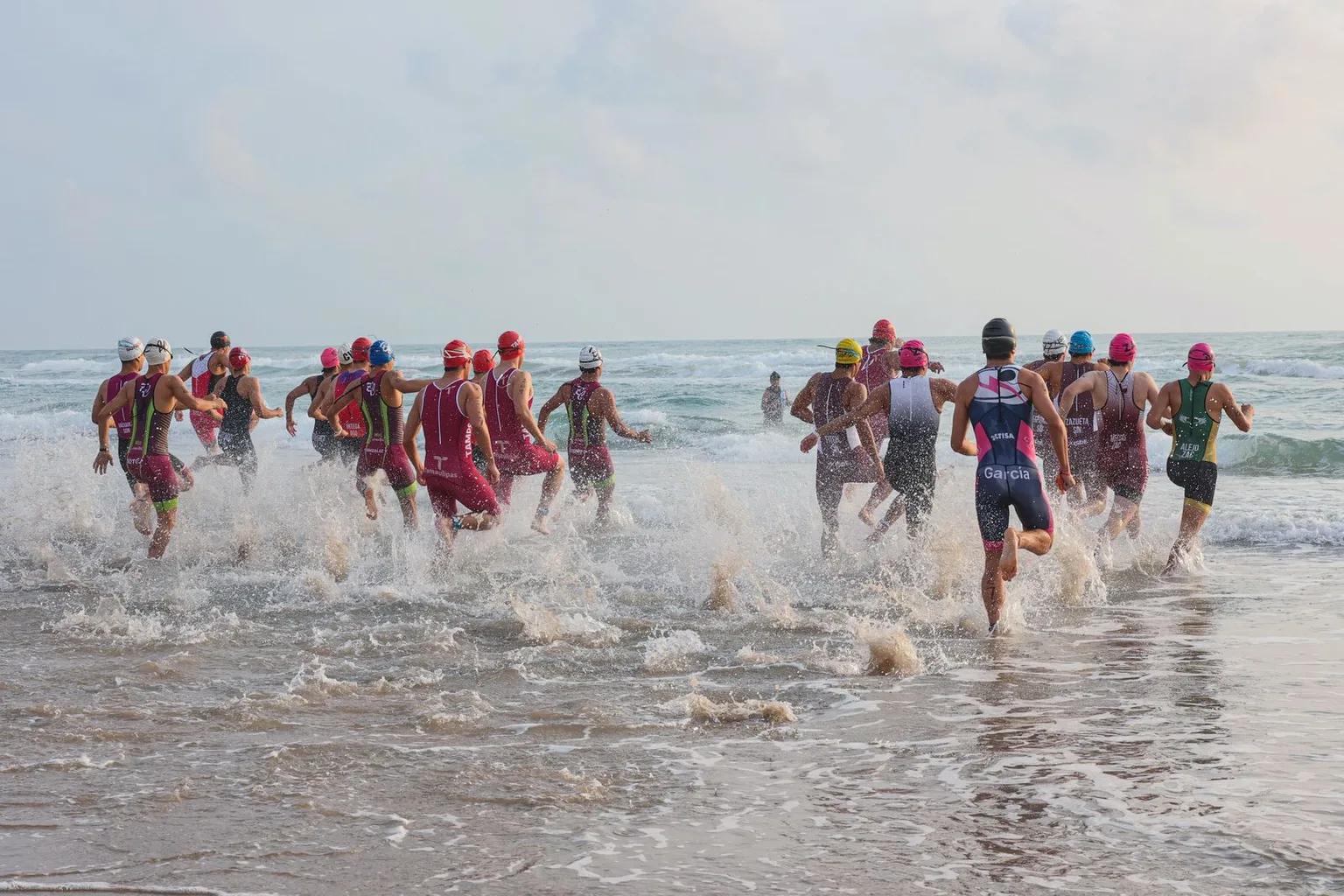
Endurance
Triathlon — Recovery Through the Training Year
Triathlon's three loads fall on shoulders in swimming, calves and achilles tendons in running, and the low back and hips in cycling.
The training year
Recovery changes with the season
In peak build and race season, recovery is post-brick and race-week sequencing at its highest session frequency of the year; in the November-to-January down period the value shifts entirely to sleep, stress and long-term health.
May–Sep
In-season
Northeast race season. Brick sessions, race weeks and recovery weeks alternate.
Protocols for this phase →Feb–Apr
Event prep
Peak build — a 12-to-20 week block carrying the heaviest weekly training hours of the year.
Protocols for this phase →Nov–Jan
Off-season
Genuine down period plus indoor base across all three disciplines.
Protocols for this phase →Wellness and training information, not medical advice. Recovery modalities are a support to good programming, sleep and nutrition — they do not treat, cure, or diagnose injury, and no session guarantees a performance outcome. Pain that persists or worsens deserves evaluation by a clinician or athletic trainer before you train through it.
The demands
What triathlon asks of the body
The defining feature of triathlon is not any single load but the sum of three: swim volume loads shoulders, run volume loads calves and achilles tendons, bike volume loads the low back and hips, and none of them get a rest week while the others are being trained. In peak build — twelve to twenty weeks before an A-race — age-group athletes routinely put twelve to eighteen hours a week on top of a job, and the first thing to degrade is sleep. Brick sessions produce a specific whole-body heaviness that neither cycling nor running alone does. Unlike almost everything else here, triathlon has a genuine off-season, and the useful work in it is sleep, stress and long-term health rather than turnaround.
Also known as tri, Ironman, 70.3, half-Ironman, olympic-distance triathlon, multisport
The load profile
- sustained aerobic output across three disciplines
- very high weekly training hours
- overhead rotation in the swim
- repetitive impact in the run
- sustained riding posture on the bike
From demands to modalities
What studios pair with this load
The demands above are the input. These are the modalities recovery studios commonly pair with that kind of load — read what each actually does before you book.
The load
- sustained aerobic output across three disciplines
- very high weekly training hours
- overhead rotation in the swim
- repetitive impact in the run
- sustained riding posture on the bike
What studios pair with it
Compression therapy
Air-pressure compression
Pairs with: sustained aerobic output across three disciplines · very high weekly training hours · repetitive impact in the run
What it does →Float therapy
Quiet float tank
Pairs with: sustained aerobic output across three disciplines · very high weekly training hours · sustained riding posture on the bike
What it does →Infrared sauna
Radiant heat therapy
Pairs with: sustained aerobic output across three disciplines · very high weekly training hours
What it does →Assisted stretch
Practitioner-assisted stretch
Pairs with: overhead rotation in the swim · sustained riding posture on the bike
What it does →A reading map, not a prescription — each page explains what a session involves and what the evidence shows. For condition-level evidence, start at the conditions library.
Gear and surface
What changes how the load lands
Two athletes on the same schedule can accumulate very differently depending on what they train on and in.
Wetsuit fit drives shoulder range in the swim; time-trial bike position increases both hip-flexor and neck load compared with a road position. A change in either shows up as a new complaint on unchanged training volume.
What tends to show up
Common complaints, and where to read more
Plain-language descriptions of what athletes in this sport report. Where a cited evidence guide exists, the entry links to it.
Delayed Onset Muscle Soreness
Delayed onset muscle soreness is the one recovery target where the research is genuinely deep, and several modalities do reduce how sore you feel.
See the evidence →Achilles Tendinitis / Tendinopathy
Achilles tendinitis is irritation or inflammation of the tendon that connects the calf muscles to the heel, often from running, jumping, or repeated loading.
Browse all conditions →Non-Functional Overreaching
Non-functional overreaching is a stalled, under-recovered state that follows weeks of training load exceeding recovery.
See the evidence →Exercise / training recovery
Exercise and training recovery describes the need to rebound between workouts, practices, races, or physically demanding shifts with less soreness and better readiness.
Browse all conditions →Shoulder soreness from swim volume
Aching across the top and back of the shoulders from swim volume, usually most obvious on the days following the longest session of the week.
Browse all conditions →Cumulative overreaching in peak build
Flat legs, poor sleep and lost enthusiasm during peak build weeks — the picture of training load having moved ahead of recovery in an otherwise healthy athlete.
See the evidence →Calf and achilles tightness on run volume
Tightness through the calves and achilles as run volume climbs, most noticeable in the first minutes of a run and the morning after a long one.
Browse all conditions →Brick-day whole-body heaviness
The general full-body heaviness that follows a bike-to-run brick, which feels different from the fatigue of either discipline on its own.
Browse all conditions →For the people around you
This is a household conversation as much as a training one. Peak build weeks put twelve to eighteen hours of training on top of a full-time job, and sleep is the thing that gives first.
Near you
Find recovery near you
The directory behind Praxium — studios by city and modality. Start where coverage runs deepest, or browse everything.
Questions
Frequently asked questions
Peak build has the highest weekly hours here. What breaks first?
Usually sleep and appetite, before any tissue does. The sleep literature in athletes links short sleep to worse performance, higher injury risk and slower recovery, so a build block that quietly costs an hour of sleep a night is buying training with recovery.
How do you recover from a brick session?
The same way as any high-volume day — the soreness arc is 24–72 hours and the useful target is the next key session, not the next hour. Recovery work here is about turnaround frequency more than intensity.
Is sauna useful in a triathlon build?
Some athletes use heat exposure ahead of hot races. Be careful with it: the blood-pressure response to sauna is unpredictable, and anyone with uncontrolled high blood pressure or heart disease should check with a doctor before using it at all.
Achilles and calf niggles every build. Inevitable?
Common, not inevitable. Tendon complaints track load progression more than anything else, and graded loading is the most consistently supported way to manage them. Recovery sessions sit alongside that.
November to January feels like doing nothing. Is that bad?
It is the only genuine down period in the year and it is what makes the next build possible. In that window the value shifts almost entirely to sleep, stress and general health rather than to session-to-session turnaround.
References
- Advances in Non-Pharmacological Strategies for DOMS: A Scoping and Critical Review of Recent Evidence
- Sleep and Athletic Performance: Impacts on Physical Performance, Mental Performance, Injury Risk and Recovery, and Mental Health
- Load progression criteria in exercise programmes in lower limb tendinopathy: a systematic review
- Sauna Health Benefits: Are saunas healthy or harmful?
Keep exploring
Conditions referenced
Recovery goals
Guides
The beginner's guide to recovery modalities: what each one does and where to start →How often should you cold plunge? Dose, duration, and when more backfires →Contrast therapy: how to alternate hot and cold, and why the order matters →Red light therapy: what the evidence supports, and what it doesn't →Compression therapy: how pneumatic boots work and what they actually do →PEMF therapy explained: what pulsed magnetic fields can and can't do →Is whole-body cryotherapy worth it? A cost-benefit look →
Turn a season into a plan
Take the 2-minute Modality Match quiz and get a starting point built around how you train — which modalities to look at first, and which to run past a clinician.
Wellness and training information, not medical advice. Recovery modalities do not treat, cure, or diagnose any injury or condition and never replace care from a qualified clinician, athletic trainer, or physical therapist.