Loading…
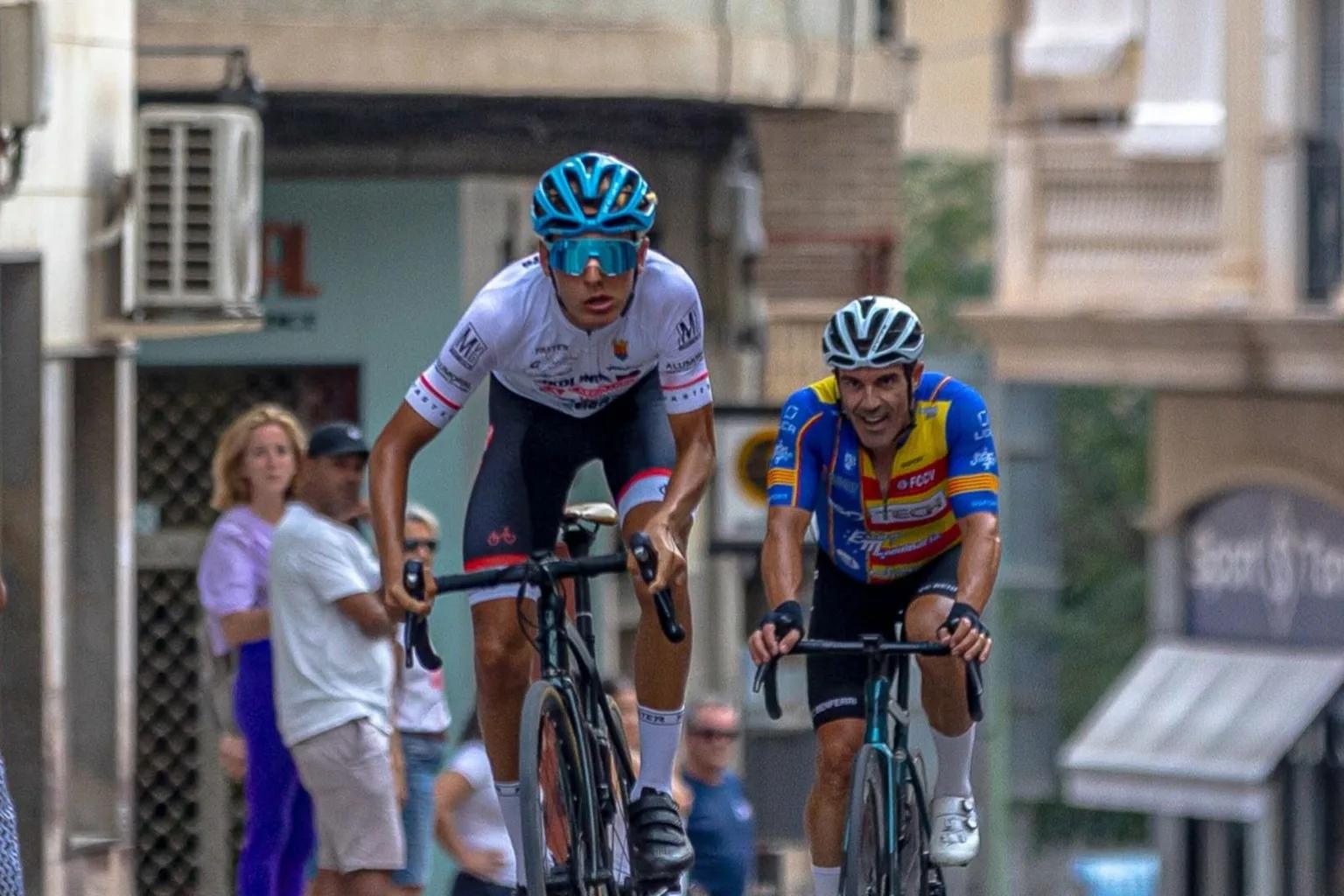
Endurance
Road Cycling — Recovery Through the Training Year
Road cycling brings deep quad and glute heaviness, plus low-back, neck and hand load from holding one position for hours.
The training year
Recovery changes with the season
In-season, recovery is post-long-ride and back-to-back-day leg clearance around events; in the winter trainer block it shifts to posture-driven tightness and building heat tolerance before spring.
Mar–Apr
Pre-season
First outdoor blocks; the biggest single-month jump in volume all year.
Protocols for this phase →May–Sep
In-season
Gran fondos, century rides and race weekends across the Northeast summer.
Protocols for this phase →Oct–Feb
Off-season
Indoor trainer base block. Volume drops, posture-driven tightness does not.
Protocols for this phase →Wellness and training information, not medical advice. Recovery modalities are a support to good programming, sleep and nutrition — they do not treat, cure, or diagnose injury, and no session guarantees a performance outcome. Pain that persists or worsens deserves evaluation by a clinician or athletic trainer before you train through it.
The demands
What road cycling asks of the body
Cycling is one of the lowest-impact endurance activities there is and one of the highest-volume, which produces an unusual recovery profile: deep quad and glute heaviness from the pedaling itself, and a completely separate set of complaints — low back, neck, hands — that come from holding an aerodynamic position for three or four hours. In the Northeast the season is genuinely weather-bound, so the November-to-February trainer block is real and it is where most riders' consistency slips. That block is also where posture-driven tightness is best addressed and where heat tolerance can be built ahead of the first warm-weather events.
Also known as roadie, gran fondo, century riding, group ride, criterium
The load profile
- sustained aerobic output
- very high repetitive pedaling volume
- sustained static riding posture
- low impact loading
- heat and hydration load
From demands to modalities
What studios pair with this load
The demands above are the input. These are the modalities recovery studios commonly pair with that kind of load — read what each actually does before you book.
The load
- sustained aerobic output
- very high repetitive pedaling volume
- sustained static riding posture
- low impact loading
- heat and hydration load
What studios pair with it
Float therapy
Quiet float tank
Pairs with: sustained aerobic output · very high repetitive pedaling volume · sustained static riding posture
What it does →Compression therapy
Air-pressure compression
Pairs with: sustained aerobic output · very high repetitive pedaling volume
What it does →Infrared sauna
Radiant heat therapy
Pairs with: sustained aerobic output · very high repetitive pedaling volume
What it does →Assisted stretch
Practitioner-assisted stretch
Pairs with: sustained static riding posture
What it does →A reading map, not a prescription — each page explains what a session involves and what the evidence shows. For condition-level evidence, start at the conditions library.
Gear and surface
What changes how the load lands
Two athletes on the same schedule can accumulate very differently depending on what they train on and in.
Bike fit is the dominant demand modifier here — saddle height and reach drive low-back and neck load far more than mileage does. Aero position increases both. Handlebar pressure over long rides drives hand numbness, and a rider who has just changed position will report a different profile on identical volume.
What tends to show up
Common complaints, and where to read more
Plain-language descriptions of what athletes in this sport report. Where a cited evidence guide exists, the entry links to it.
Lower-Limb Venous Stasis & Leg Heaviness
Heaviness, mild swelling, and sluggish circulation after prolonged standing, sitting, travel, or training; not a disease state.
Browse all conditions →Delayed Onset Muscle Soreness
Delayed onset muscle soreness is the one recovery target where the research is genuinely deep, and several modalities do reduce how sore you feel.
See the evidence →Reduced Range of Motion / Muscle Tightness
Temporary loss of joint range/muscle pliability with training, DOMS, or inactivity.
Browse all conditions →Carpal Tunnel Syndrome
Carpal tunnel syndrome is irritation or pressure on the median nerve at the wrist, causing hand or wrist pain, numbness, tingling, or weakness.
Browse all conditions →cardiovascular conditioning
Cardiovascular conditioning refers to the capacity and efficiency of the heart, lungs, and blood vessels to deliver oxygen to working muscles. It encompasses both improving…
Browse all conditions →Exercise / training recovery
Exercise and training recovery describes the need to rebound between workouts, practices, races, or physically demanding shifts with less soreness and better readiness.
Browse all conditions →Handlebar hand numbness and saddle discomfort
Numb or tingling hands from sustained pressure on the bars, and saddle discomfort from hours in one position. Both track time in the saddle and fit more than effort.
Browse all conditions →IT band irritation on the outside of the knee
Pain on the outside of the knee that shows up at a predictable point in a long ride, often after a fit change or a jump in volume.
See the evidence →Cramping late in long rides
Cramp in the calves or quads in the final hour of a long ride, usually where volume, heat and fuelling have stacked up.
See the evidence →Accumulated fatigue in big volume weeks
Flat legs and low power during the biggest weeks of a block — the expected response to training load in a healthy rider, not an illness.
Browse all conditions →For the people around you
The winter block is what makes the summer century possible. Skipping it is what turns March into a month of tight backs and sore necks — worth knowing for whoever plans the year around your riding.
Near you
Find recovery near you
The directory behind Praxium — studios by city and modality. Start where coverage runs deepest, or browse everything.
Questions
Frequently asked questions
My back and neck hurt more than my legs. Is that normal on a bike?
Very. Sustained flexed posture loads the low back and neck regardless of how the legs feel, and it does not go away in the winter trainer block — if anything the block makes it worse because the position never changes. Persistent back pain with leg symptoms is a clinician question.
Does a cold plunge after a long ride do anything?
Mostly it improves how you feel. Short cold-water immersion has been shown to increase self-reported positive affect, and riders commonly report legs feeling fresher, but the objective recovery effects are modest and inconsistent. Enjoyable and mildly useful is a fair summary.
What about back-to-back ride days on an event weekend?
That is where compression and leg-elevation type work earn their place — the pooled evidence points to a small benefit for perceived soreness rather than a measurable performance rescue. Pacing day one is still the bigger lever.
Hands go numb on long rides. Is that a recovery issue?
No, that is a fit and pressure issue first — bar position, glove padding, hand position changes. Numbness that persists off the bike should be assessed rather than absorbed into a recovery plan.
The winter trainer block feels pointless. Is it?
It is the block where posture-driven tightness and heat tolerance can actually be worked on, and where the March-to-April volume jump — the largest single-month increase of the year — becomes survivable. Skipping it mostly moves the cost to spring.
References
- Lower Back Pain: Causes, Symptoms & Treatment
- Effects of lower-limb intermittent pneumatic compression on sports recovery: a systematic review and meta-analysis
- Short-Term Head-Out Whole-Body Cold-Water Immersion Facilitates Positive Affect
- Advances in Non-Pharmacological Strategies for DOMS: A Scoping and Critical Review of Recent Evidence
Keep exploring
Conditions referenced
Recovery goals
Guides
The beginner's guide to recovery modalities: what each one does and where to start →How often should you cold plunge? Dose, duration, and when more backfires →Contrast therapy: how to alternate hot and cold, and why the order matters →Red light therapy: what the evidence supports, and what it doesn't →Compression therapy: how pneumatic boots work and what they actually do →PEMF therapy explained: what pulsed magnetic fields can and can't do →Is whole-body cryotherapy worth it? A cost-benefit look →
Turn a season into a plan
Take the 2-minute Modality Match quiz and get a starting point built around how you train — which modalities to look at first, and which to run past a clinician.
Wellness and training information, not medical advice. Recovery modalities do not treat, cure, or diagnose any injury or condition and never replace care from a qualified clinician, athletic trainer, or physical therapist.